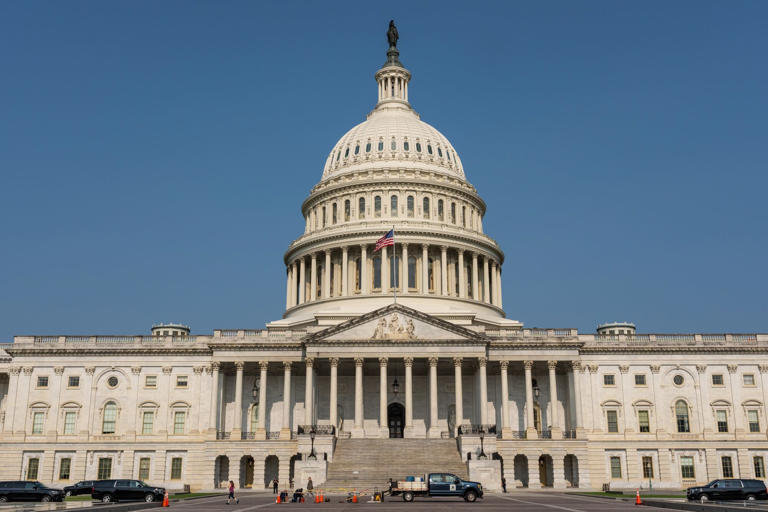
Market Overview
The Digital Asset Market Clarity Act (H.R. 3633) is trading at a 68% implied probability of passage and presidential signature by December 31, 2026, according to prediction markets with over $596,000 in traded volume. The stable pricing over the past 24 hours suggests the market has settled on a moderate baseline assessment, neither discounting the bill as unlikely nor pricing it as consensus.
Why It Matters
The Clarity Act represents a significant attempt to establish comprehensive federal regulatory frameworks for digital assets and cryptocurrency markets. If passed, it would provide legal clarity to exchanges, traders, and market participants by defining regulatory jurisdictions and creating uniform standards across states. For the crypto industry, regulatory clarity has been identified as a key prerequisite for institutional adoption and sustainable market development. The resolution of this legislation could materially influence the sector's legal standing and investment landscape throughout 2025 and 2026.
Key Factors
Several structural factors underpin the 68% probability assessment. First, the bill's introduction in the 119th Congress suggests it has at least initial sponsor support within the legislative body. Second, bipartisan interest in cryptocurrency regulation has grown in recent years, with both parties recognizing the need for clarity—though disagreeing on specifics. However, the probability reflects significant uncertainty: cryptocurrency regulation remains contentious, competing legislative priorities compete for floor time, and the 2026 timeline provides a narrow window before potential shifts in congressional composition. The bill must pass both the House and Senate, each presenting distinct procedural hurdles, and secure presidential signature, adding multiple veto points.
Outlook
Developments that could shift market probability upward include committee advancement of the bill, bipartisan co-sponsorship expansion, or explicit support from senior leadership in either chamber. Conversely, competing digital asset bills, regulatory actions by executive agencies that reduce pressure for legislative action, or partisan divisions over specific provisions could lower odds. The market's current equilibrium at 68% suggests traders view passage as more likely than not, but with substantial remaining uncertainty—consistent with legislation that addresses a complex, evolving policy domain with meaningful stakeholder disagreement.