Market Overview
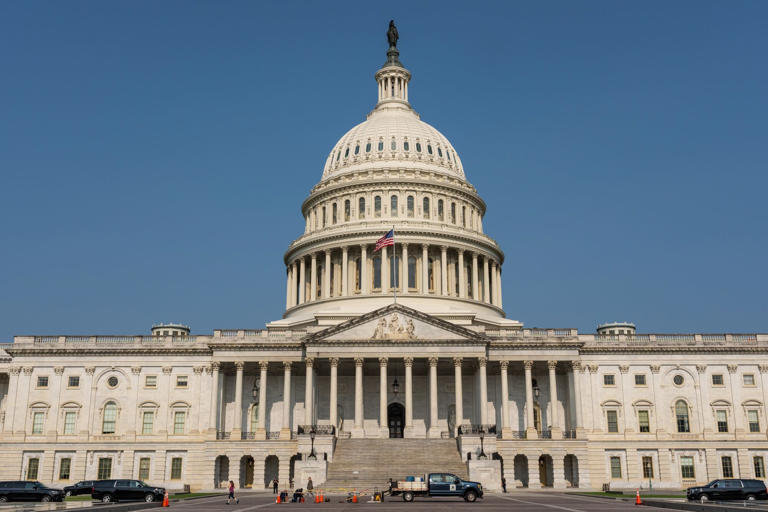
The prediction market for the Digital Asset Market Clarity Act has settled at a 68% probability of passage and presidential signature by the end of 2026, with trading volume of $596,313 supporting the assessment. The flat price action over the past 24 hours—holding steady at 68%—suggests the market has reached an equilibrium view of the legislation's prospects rather than responding to recent developments. At this probability level, traders are pricing in better-than-baseline odds for a bill that must clear both chambers of Congress and secure executive approval within a two-year window.
Why It Matters
The Digital Asset Market Clarity Act represents a significant attempt to establish comprehensive regulatory clarity for cryptocurrency and digital asset markets in the United States. Passage would create a defined regulatory framework addressing jurisdictional questions among federal agencies—primarily the SEC, CFTC, and banking regulators—that have created legal uncertainty for market participants. The 68% odds reflect market participants' assessment that bipartisan appetite for crypto regulation has reached a threshold sufficient to advance major legislation, though substantial legislative hurdles remain.
Key Factors
Several factors appear to be driving the 68% assessment. First, the bill has secured multipartisan sponsorship, suggesting it addresses concerns across the political spectrum rather than serving purely ideological interests. Second, the crypto industry has mobilized significant advocacy resources, and regulatory gaps have become increasingly costly to ignore from both consumer protection and financial stability perspectives. Third, the two-year timeline through 2026 provides multiple legislative windows—including potential action in the current 119th Congress and the subsequent 120th Congress—increasing the probability of eventual passage relative to bills with shorter deadlines.
However, headwinds persist. Major financial regulation typically faces intense lobbying from incumbent financial institutions concerned about competitive implications. The bill must navigate potential disagreements over regulatory jurisdiction, stablecoin treatment, and enforcement mechanisms. Election cycles in 2026 may also compress the legislative calendar or shift priorities, particularly if control of Congress changes.
Outlook
The 68% probability suggests traders view passage as somewhat more likely than not, but with meaningful downside risk—a 32% no-passage probability is substantial. Key developments that could shift the market include: regulatory changes or crises that accelerate perceived need for clarity; shifts in congressional leadership or composition affecting sponsor count; and industry developments that either amplify or reduce urgency for federal action. The market's stability indicates traders expect the current consensus view to persist unless external events alter the legislative landscape materially.