Market Overview
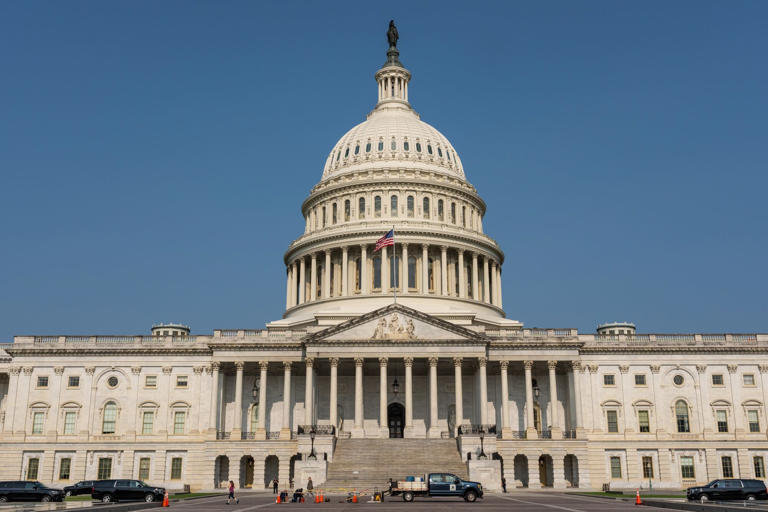
Prediction market traders are pricing the Digital Asset Market Clarity Act (H.R. 3633) at a 45.5% probability of becoming law by December 31, 2026—a probability that has remained stable over the past day despite $577,839 in trading volume. The current odds suggest traders view passage as a realistic possibility but far from assured, reflecting genuine uncertainty about the bill's path through a Republican-controlled Congress with competing regulatory priorities.
Why It Matters
The Clarity Act represents a significant potential shift in how digital assets are regulated in the United States. Championed primarily by cryptocurrency industry advocates as a framework to clarify regulatory jurisdiction and provide clearer compliance standards, the bill addresses longstanding ambiguity about whether crypto assets fall under securities, commodities, or banking regulations. A successful passage would substantially reshape the legal landscape for blockchain companies and institutional crypto participants, while failure would leave the current fragmented regulatory environment intact and potentially open the door to more restrictive rule-making from agencies like the SEC or CFTC.
Key Factors
Several dynamics shape the market's moderate confidence in the bill's prospects. First, Republicans now control both chambers of Congress and the White House as of 2025, and the party has generally favored pro-crypto regulatory clarity over harsh restrictions. However, this advantage is tempered by competing legislative priorities—infrastructure, tax reform, and other policy goals will compete for limited floor time. Second, the incoming Trump administration's regulatory philosophy toward crypto remains somewhat undefined, despite pro-crypto rhetoric during the campaign. Uncertainty about the administration's actual legislative agenda creates hesitation among traders. Third, the bill faces potential opposition from traditional financial regulators and some lawmakers concerned about inadequate consumer protections, which could slow or block passage even within a Republican majority. Fourth, the specific language of H.R. 3633 and any amendments proposed during committee review could materially affect industry support or opposition, introducing additional uncertainty.
Outlook
For the probability to move materially higher, traders would likely require concrete signals: formal support from the White House or key Republican leadership in Congress, successful committee advancement with broad bipartisan or majority-party backing, or public statements from regulatory agencies signaling openness to the bill's framework. Conversely, the probability could decline if competing legislative priorities consume the 119th Congress's agenda, if the administration signals a different regulatory approach, or if the bill encounters significant opposition during committee review. The 45.5% midpoint suggests a genuine 50-50 political outcome—achievable but requiring sustained congressional focus and executive branch support that remain uncertain.