Market Overview
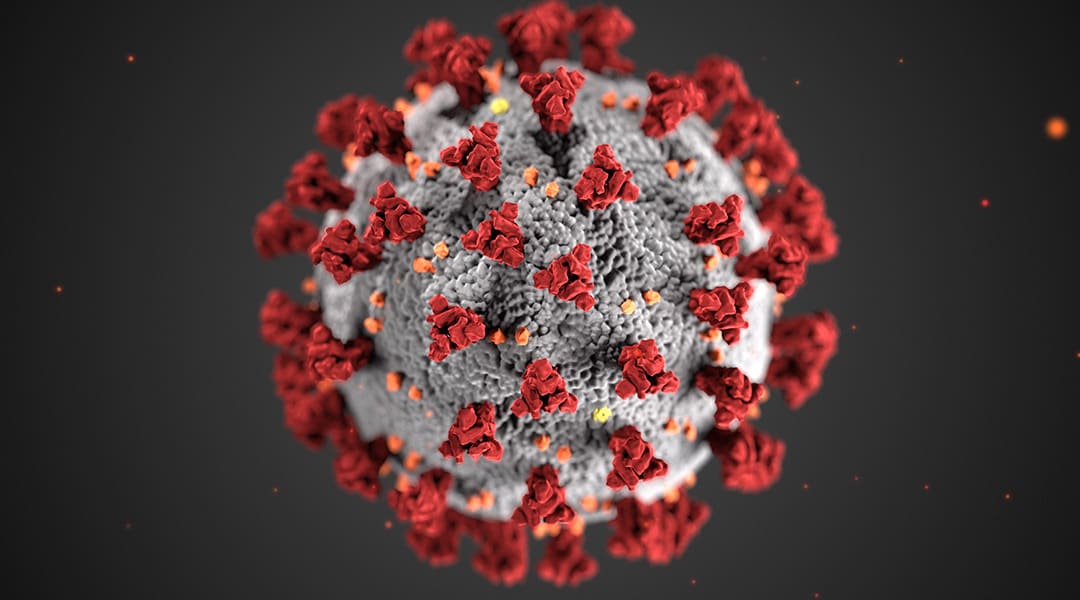
Prediction markets are assigning a 16.5% probability to the emergence of a new COVID-19 variant of concern by the CDC between December 1, 2025, and the end of 2026. With $237,330 in trading volume and flat pricing over the past 24 hours, the market shows stable consensus around this baseline assessment. The relatively low odds suggest traders view such an outcome as possible but not probable during the specified window.
Why It Matters
The identification of new variants of concern carries significant implications for public health policy, vaccine development timelines, and market sentiment around pandemic risk. The CDC's formal variant classification—which requires specific criteria related to transmissibility, severity, or immune escape—represents an official acknowledgment of epidemiological significance. Even as acute pandemic phases have receded, the potential emergence of a materially different viral strain remains relevant for healthcare systems, pharmaceutical companies, and policy planning. This market provides a quantified assessment of that tail risk.
Key Factors
Several dynamics underpin the current 16.5% probability. First, SARS-CoV-2 continues to evolve globally, and viral mutation is inherent to coronaviruses; the baseline risk of variant emergence is non-zero. Second, circulation patterns have stabilized significantly since 2020-2022, with endemic disease spread reducing the denominators for novel variant generation in many regions. Third, current population immunity levels—whether from vaccination, prior infection, or both—create a different selective landscape than existed during early pandemic years. Fourth, surveillance capacity varies globally; detection of a genuine variant of concern depends partly on monitoring intensity, particularly in lower-income regions with limited sequencing infrastructure.
Outlook
The market's assessment reflects cautious baseline expectations: COVID evolution will likely continue, but the emergence of a variant meeting the CDC's formal \"concern\" threshold within a 13-month window is judged more unlikely than likely. Developments that could shift probability upward include detection of a strain with substantially altered transmissibility or immune properties, major surveillance findings from undermonitored regions, or evidence of vaccine escape in circulation. Conversely, continued endemic stabilization and sustained surveillance data showing incremental rather than discrete viral changes could reinforce current pricing. The relatively modest trading volume suggests this question, while relevant to public health professionals, commands limited speculative interest among broader market participants.