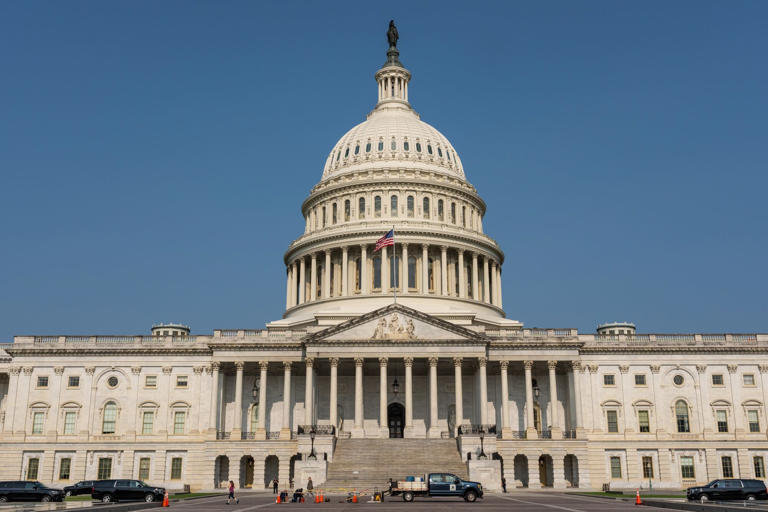
Market Overview
The Digital Asset Market Clarity Act (H.R. 3633) is trading at a 68% implied probability of becoming law within the next two years, according to prediction markets with approximately $596,000 in volume. The stable pricing over the past 24 hours suggests the market has settled on a consensus view: passage is more likely than not, but faces meaningful headwinds. This probability reflects neither strong conviction nor deep skepticism, positioning the legislation in the category of probable but uncertain outcomes.
Why It Matters
Comprehensive digital asset regulation has been a priority for cryptocurrency industry participants and some policymakers for years, with fragmented oversight across multiple agencies creating compliance uncertainty. The Clarity Act represents an attempt to establish clearer regulatory frameworks, potentially streamlining compliance for digital asset platforms and reducing legal ambiguity around cryptocurrency derivatives, staking, and other activities. For the crypto ecosystem, passage would signal congressional capacity to legislate on digital assets despite ideological divisions. The 24-month resolution window extends through the end of 2026, capturing the remainder of the current congressional session and potentially the beginning of the 120th Congress if reelection reshuffles priorities.
Key Factors
Several dynamics shape the current probability assessment. Congressional bandwidth for technical financial legislation remains limited as lawmakers balance competing priorities including defense, healthcare, and fiscal issues. The crypto industry, while increasingly organized in lobbying efforts, still faces skepticism from lawmakers concerned about consumer protection and illicit finance, creating cross-party friction. Historically, narrowly-tailored cryptocurrency bills have fared better than comprehensive regulatory frameworks, though recent momentum around digital asset policy discussions has grown in both chambers. The extended timeline to December 2026 provides multiple opportunities for legislative advancement, whether through markup in committee, floor votes, or inclusion in broader financial legislation packages—though it also allows more time for shifting political priorities or new events that could derail progress.