Market Overview
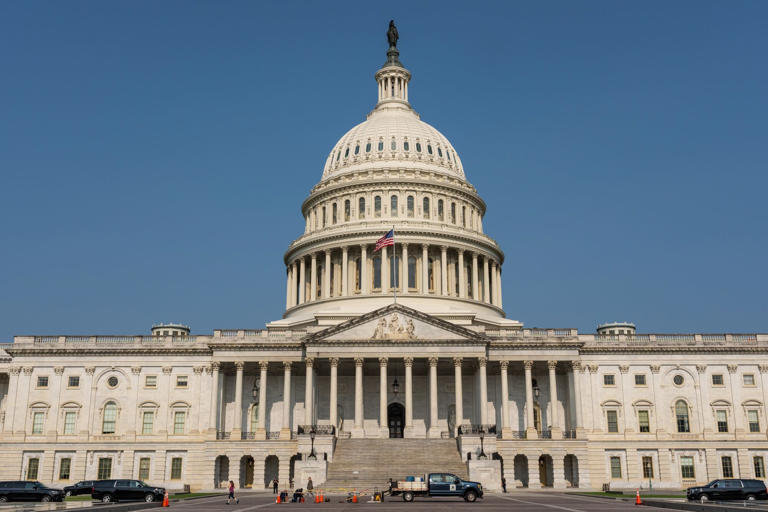
Prediction markets are currently assigning a 56.5% probability that the Digital Asset Market Clarity Act of 2025 (H.R.3633) will be signed into law by December 31, 2026. The market has seen recent movement, with odds declining 5 percentage points over the past 24 hours despite substantial trading volume of $517,463, suggesting active reassessment among market participants about the bill's legislative prospects.
Why It Matters
H.R.3633 represents a significant effort to establish a comprehensive regulatory framework for digital assets in the United States. Clear rules governing cryptocurrency markets have been a stated priority for both industry participants and policymakers seeking to balance innovation with consumer protection. The outcome of this bill carries implications not only for the crypto sector but also for how Congress approaches emerging technology regulation more broadly. A successful passage would represent a major legislative achievement on an issue that has remained contentious and fragmented across multiple regulatory agencies.
Key Factors
Several dynamics are likely influencing the current 56.5% probability. The bill's status as a bipartisan effort—a prerequisite for passage in a divided Congress—suggests meaningful support across party lines, supporting the elevated odds. However, the recent 5-percentage-point decline hints at emerging obstacles. These could include competing legislative priorities, evolving political calculations around crypto regulation, or specific provisions within the bill facing renewed scrutiny. The crypto sector's regulatory relationship with Congress remains volatile, and shifts in political momentum or industry developments could reshape lawmaker incentives.
The timeline is also relevant: legislation must clear both chambers and secure presidential signature within roughly two years. While this provides a window for legislative action, the U.S. Congress faces a crowded agenda, and crypto regulation is not universally viewed as urgent by all members.
Outlook
At just above 56%, the market is pricing the Clarity Act as slightly more likely than not to become law, but with meaningful uncertainty. Movement toward 50% or below would suggest market participants view significant obstacles ahead—such as failed House or Senate votes, or the bill being stalled in committee. Conversely, a move above 65% might indicate passage through one chamber or meaningful momentum toward floor votes. Key developments to watch include committee advancement, changes to bill language, shifts in congressional composition following elections, and public statements from key sponsors and leadership indicating commitment to bringing the measure to a vote.