Market Overview
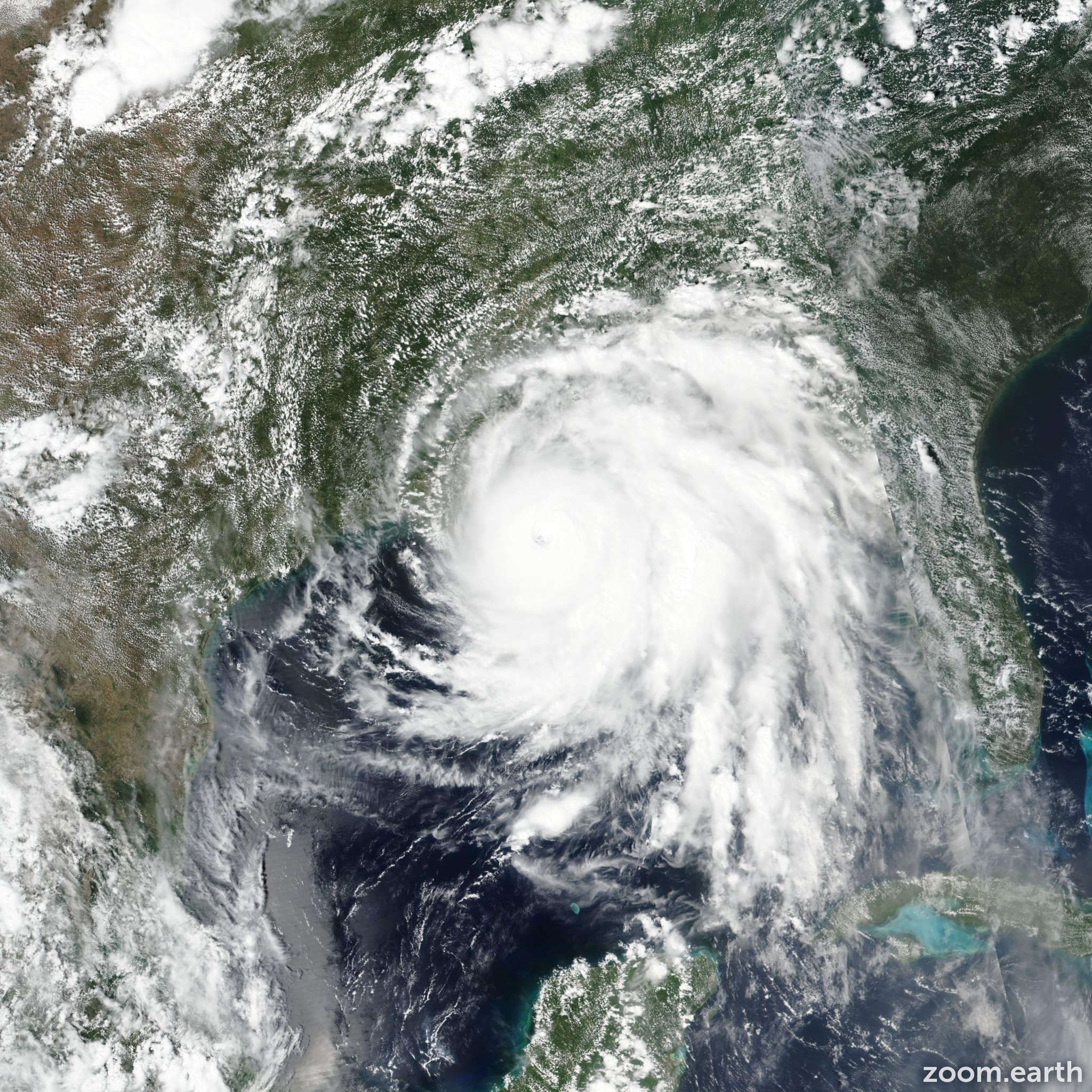
Prediction markets are currently valuing the likelihood of a Category 4 hurricane landfall in the continental United States at 35% through December 31, 2026. This probability reflects trader expectations across the remainder of the 2024 hurricane season and the full 2025 and 2026 seasons. The market has maintained stable pricing at this level over the past 24 hours, suggesting consensus around this baseline assessment. With $326,300 in trading volume, the market demonstrates meaningful liquidity and participant engagement in long-term climate event forecasting.
Why It Matters
Category 4 hurricanes represent a significant threshold in storm severity, with sustained winds between 130 and 156 mph capable of causing catastrophic damage to infrastructure, housing, and economic activity. A landfall of this magnitude would represent a relatively rare but historically documented occurrence—the continental US experiences major hurricanes periodically, but Category 4+ landfalls are infrequent enough to merit insurance and disaster preparedness consideration. Understanding the probability of such events over a defined timeframe helps policymakers, insurers, and coastal residents calibrate risk exposure and resource allocation.
Key Factors
Multiple elements inform the 35% probability assessment. Historical data shows that Category 4 landfalls in the continental US occur roughly every 5-10 years on average, though this varies considerably by decade and ocean conditions. Atlantic hurricane activity is influenced by sea surface temperatures, atmospheric pressure patterns, and the Atlantic Multidecadal Oscillation—conditions that have shown some intensification in recent years. The forecast window spans approximately two full hurricane seasons (2025 and 2026) plus the remainder of 2024, providing a reasonably long window for such an event to occur. Current oceanographic conditions and long-range climate models would be informing trader expectations, though prediction market pricing reflects consensus uncertainty rather than a precise scientific prediction.
Outlook
Several developments could shift market odds materially. Real-time observations of water temperatures, early-season hurricane activity, and updated seasonal forecasts from the National Oceanic and Atmospheric Administration would likely influence trader positioning. An active 2024 or 2025 season with multiple major hurricanes could increase perceived probability, while a quieter season or cooler Atlantic conditions could shift pricing downward. The market will remain sensitive to late-summer and fall conditions each year, when hurricane activity peaks, potentially creating seasonal volatility even if the longer-term probability assessment remains stable.