Market Overview
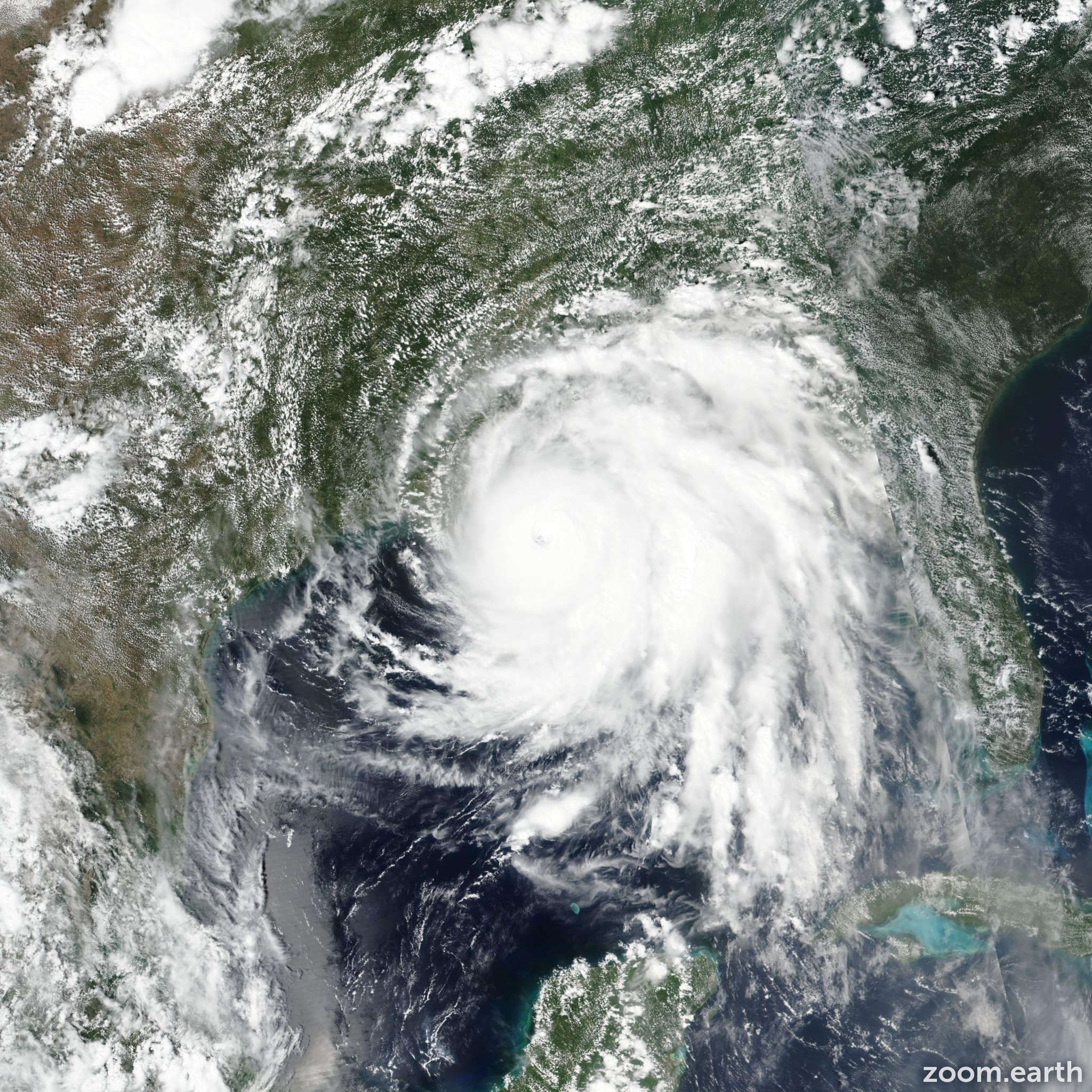
Prediction markets are currently pricing a one-in-three chance that a Category 4 hurricane—defined by maximum sustained winds of 130-156 mph—will make landfall in the contiguous United States before the close of 2026. The 34% probability has remained stable over the past day, with roughly $315,000 in trading volume, suggesting broad market consensus around this assessment. The resolution criteria are tightly defined: the market will settle on National Hurricane Center official advisories documenting a qualifying landfall event, with resolution based on the initial NHC determination regardless of later reanalysis.
Why It Matters
Category 4 hurricanes represent the second-highest tier of storm intensity and pose severe threats to infrastructure, life safety, and economic activity along U.S. coastlines. Understanding the probability of such events over a defined time horizon—roughly 24 months from typical market creation—informs risk management decisions for insurance, disaster preparedness, and coastal policy. The current 34% probability suggests material but not overwhelming risk, a reflection of both historical landfall frequencies and the inherent difficulty of long-range hurricane forecasting. Most U.S. hurricanes that make landfall do so at lower categories, making Category 4 events notable outliers.
Key Factors
The assessment reflects several competing considerations. Historically, Category 4 landfalls occur irregularly; the United States experiences such strikes roughly once per decade on average, though this varies considerably by decade and region. The timeframe of roughly two hurricane seasons (2025 and part of 2026) provides two opportunities for occurrence. Ocean temperatures, Atlantic Multidecadal Oscillation patterns, and atmospheric conditions influence seasonal hurricane activity, though seasonal forecasts themselves carry significant uncertainty at the multi-month and multi-year scales. Geographic concentration matters as well—Gulf Coast and Atlantic seaboard regions have different historical strike probabilities. The market probability of 34% implies traders assess roughly a 17% chance per individual season, marginally below long-term historical rates, perhaps reflecting slightly cooler projected conditions or uncertainty premiums.
Outlook
The stability of this probability over recent periods suggests the market has settled on a baseline assessment absent new climate data or seasonal forecasts. The market will likely respond to updates in spring 2025 seasonal hurricane outlooks from NOAA and other forecasting agencies, which typically provide revised probability estimates for above-normal, near-normal, or below-normal activity. Major El Niño or La Niña developments could also shift expectations. As the forecast window progresses and actual hurricane seasons unfold, realized activity—whether unusually active or quiet—will likely drive probability adjustments. For now, the 34% reading reflects a measured view of tail-risk occurrence within the specified window.