Market Overview
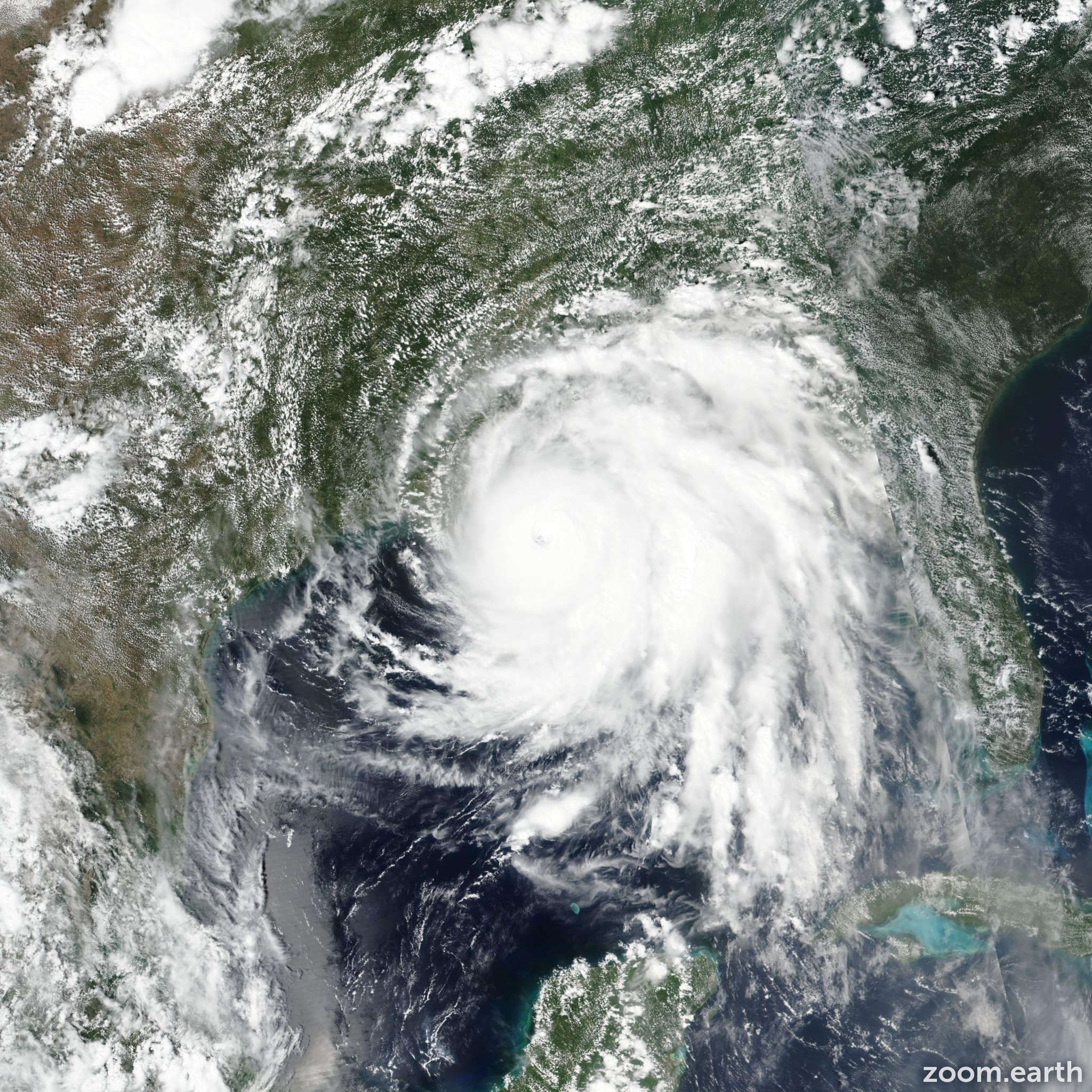
Prediction markets currently assign a 35% probability to at least one Category 4 hurricane making landfall in the conterminous United States before the end of 2026. With roughly two years remaining in the forecast window, this odds level suggests traders view such an event as moderately unlikely but far from negligible. The market has maintained this probability level consistently, indicating broad agreement on the baseline risk despite seasonal and interannual variability in Atlantic hurricane activity.
Why It Matters
Category 4 hurricanes represent a significant threshold in impact assessment. With maximum sustained winds between 130 and 156 mph, storms of this intensity cause severe damage to structures, vegetation, and infrastructure. A Category 4 landfall in the US would trigger major disaster declarations, potentially affecting millions and generating economic losses in the billions. For policymakers, insurance firms, and coastal residents, understanding the probability of such events informs risk management decisions, emergency preparedness budgets, and long-term planning for vulnerable communities.
Key Factors
The 35% probability reflects several competing considerations. Historically, the continental US experiences a Category 4 hurricane landfall roughly once per decade on average, though the distribution is highly variable—some decades see multiple such storms while others see none. Climatologically, the window through 2026 covers approximately 2.17 years of Atlantic hurricane seasons, suggesting a baseline expectation around 20-25% if historical patterns hold. Current conditions appear relatively neutral: sea surface temperatures in the Atlantic have shown normal variability without pronounced warming or cooling trends that would dramatically shift hurricane intensity dynamics. The ongoing Atlantic Multidecadal Oscillation and other oscillating climate patterns are in regimes that do not strongly favor either heightened or suppressed activity compared to long-term averages.
Outlook
The market probability could shift based on several developments. Mid-season hurricane forecasts from NOAA or other agencies that predict above- or below-average activity in the 2025 or 2026 seasons would likely move odds directionally. Observable changes in sea surface temperature patterns, atmospheric conditions, or the strength of the Bermuda High—which influences hurricane steering—could also influence trader expectations. Any major Category 4 landfall elsewhere would not directly affect this market but might prompt broader reassessment of Atlantic hurricane risk for the remainder of the window. Conversely, if the 2024 and 2025 seasons produce no Category 4 landfalls, and seasonal forecasts project quiet conditions for 2026, the probability would likely decline below current levels.