Market Overview
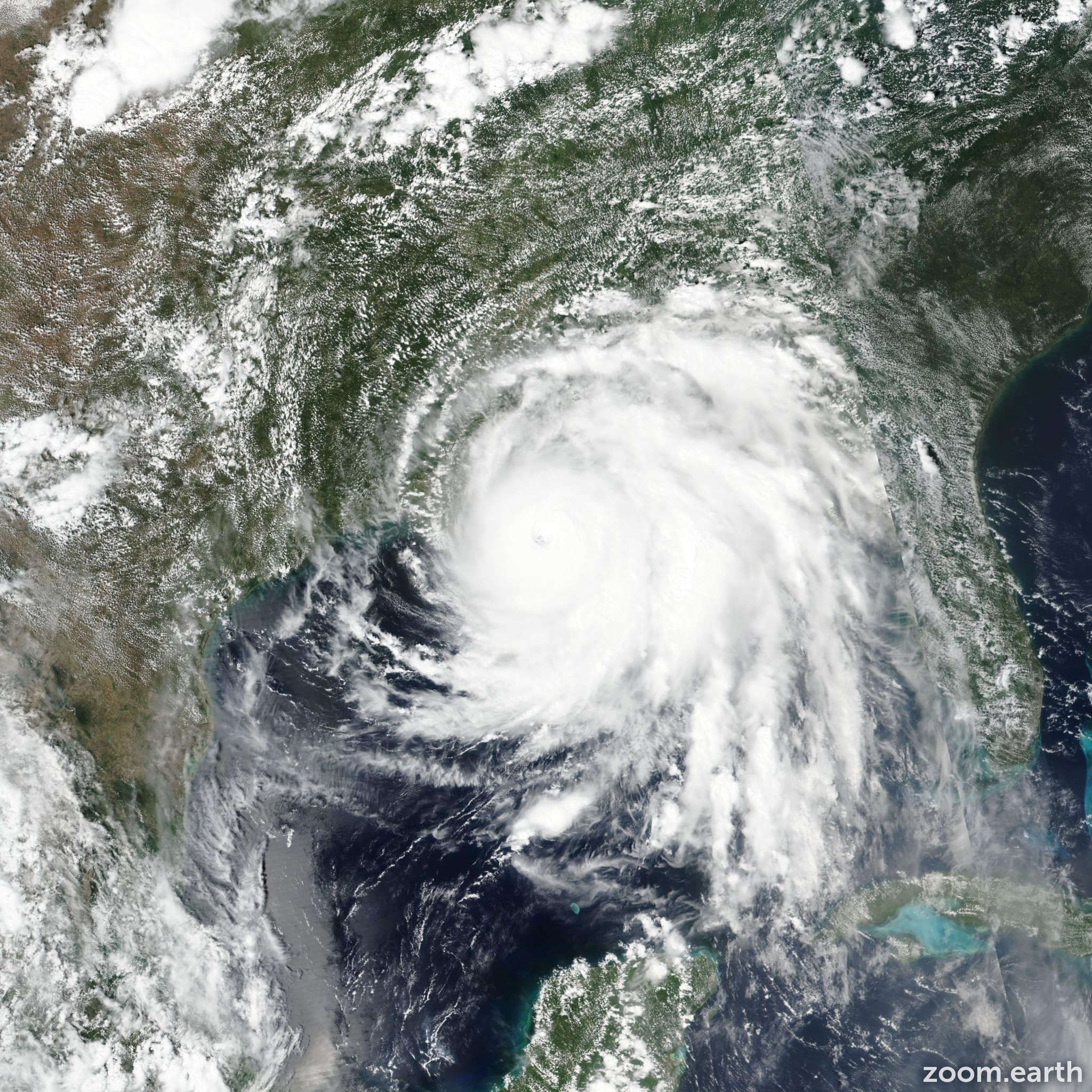
The prediction market for a Category 4 hurricane landfall in the conterminous United States through 2026 is trading at 34%, indicating roughly one-in-three odds. The market has shown remarkable stability, with only a one-percentage-point shift over the past day despite $315,000 in trading volume, suggesting a consensus view among participants on the underlying probability. The resolution criteria are precisely defined: the market will resolve Yes if the National Hurricane Center issues an initial advisory confirming landfall of a Category 4 hurricane (130-156 mph sustained winds) in the contiguous 48 states before December 31, 2026.
Why It Matters
Category 4 hurricanes represent a significant threshold in terms of destructive capability and economic impact. Storms at this intensity cause catastrophic damage to structures, vegetation, and infrastructure. Understanding the probability of such landfalls informs insurance pricing, disaster preparedness planning, and climate risk assessments. The 34% market probability reflects professional meteorologists' and risk analysts' expectations about Atlantic basin activity over the remainder of 2024 and the 2025-2026 seasons, condensed into a single price.
Key Factors Driving the Probability
The current odds are shaped by several competing considerations. Historically, the United States experiences a Category 4 or stronger hurricane landfall roughly every three to five years on average, which would suggest probabilities somewhat higher than 34% over a roughly two-year window. However, several moderating factors may explain the market's current pricing: Atlantic hurricane activity depends on sea surface temperatures, atmospheric wind shear, and the strength of the Bermuda High, all of which vary by season. The 2024 Atlantic hurricane season has already been notably active, which may influence perceptions of remaining risk. Additionally, climatological variability means that active hurricane years can alternate with quieter periods, and some market participants may weight recent seasonal patterns into their estimates.
Long-Term Perspective and Outlook
The market's 34% probability sits below the historical baseline but remains material—suggesting meaningful but not overwhelming risk. Developments that could shift the probability include updated seasonal forecasts from NOAA ahead of the 2025 hurricane season, evolving sea surface temperature patterns, climate indices such as the El Niño-Southern Oscillation cycle, and real-time storm activity if particularly intense hurricanes develop. Any actual Category 4 or stronger hurricane formation and approach to the U.S. coast would likely trigger sharp repricing of this market. Conversely, if the 2024 and 2025 seasons prove quieter than historical averages, the probability may drift lower. The relative stability of current pricing suggests the market views the question as genuinely uncertain, with reasonable arguments supporting both sides.