MARKET OVERVIEW
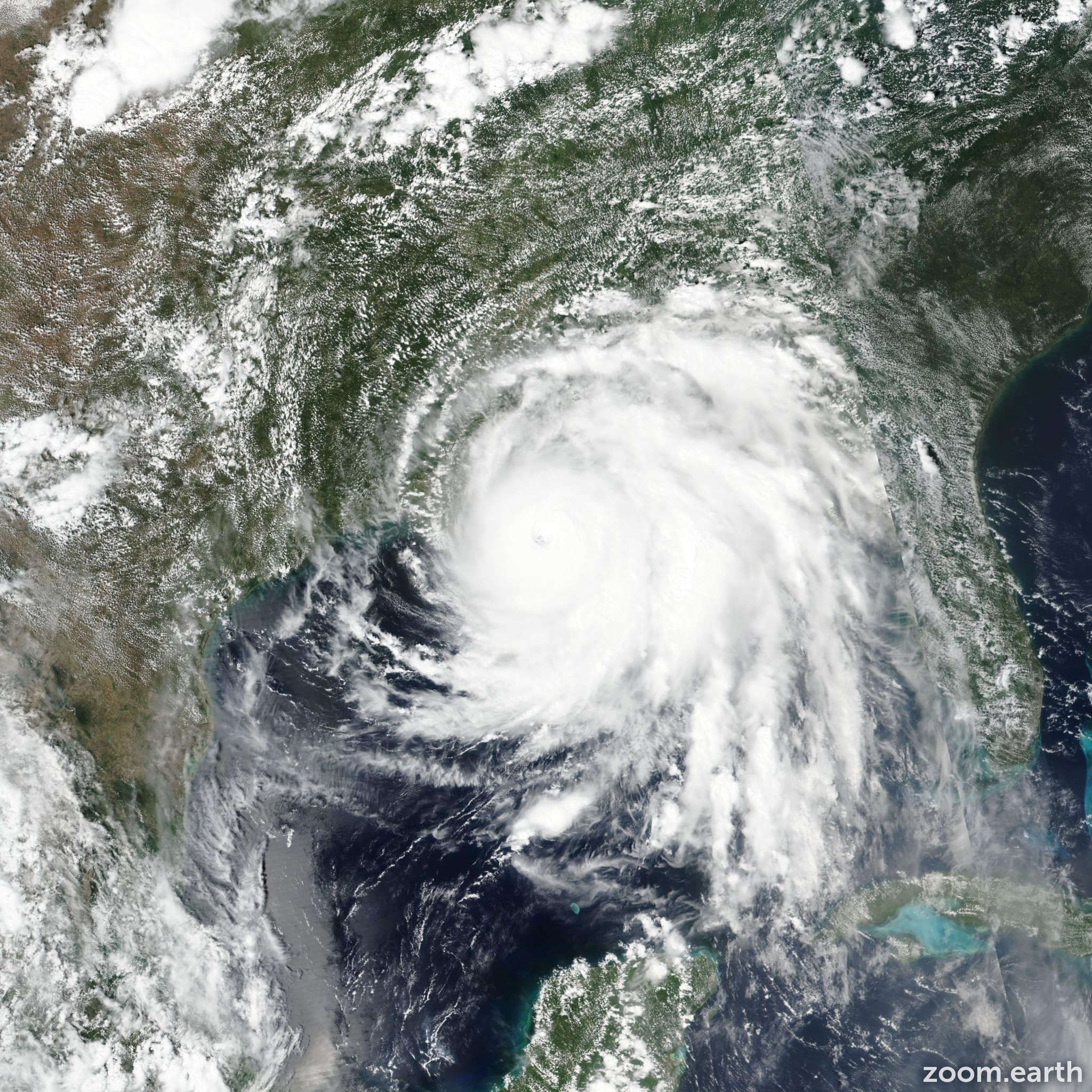
Prediction markets are currently pricing the probability of a Category 4 hurricane making landfall in the continental United States before January 1, 2027 at 35 percent. The market has held steady at this level over the past 24 hours, with $326,300 in total volume indicating moderate but sustained trader interest. The timeframe covers approximately 24 months from the market's creation, encompassing two full Atlantic hurricane seasons (2025 and 2026).
WHY IT MATTERS
Category 4 hurricanes represent a significant threshold in storm severity, with maximum sustained winds between 130 and 156 mph. These storms cause catastrophic damage and pose substantial risks to life, infrastructure, and the economy. Understanding the probability of such events reaching the U.S. mainland is critical for coastal communities, insurance markets, disaster preparedness planning, and policy discussions around climate resilience. The 35 percent probability suggests meaningful but not overwhelming odds—roughly equivalent to rolling a six-sided die and hoping for a one or two.
KEY FACTORS DRIVING THE PROBABILITY
Several factors inform the market's current assessment. Historically, the U.S. experiences direct Category 4 landfalls at a variable rate; major hurricanes (Category 3 or higher) strike the nation roughly once per year on average, but Category 4 events specifically are less frequent. The Atlantic hurricane season typically peaks between August and October, with activity influenced by sea surface temperatures, atmospheric pressure patterns, and other climate conditions. Current oscillating climate patterns and sea temperature anomalies will shape 2025 and 2026 season intensity. Additionally, landfalls depend not only on storm formation but on steering dynamics that determine whether storms actually reach the continental coast versus moving offshore or impacting other regions.
The market's 35 percent figure suggests traders view two full hurricane seasons as offering reasonable but not high odds of a Category 4 strike. This reflects a baseline expectation aligned with longer-term climatic frequency rather than an expectation of unusually active conditions.
OUTLOOK
The probability could shift based on several developments: seasonal hurricane forecasts issued by NOAA and other meteorological institutions before the 2025 and 2026 seasons may indicate elevated or suppressed activity, potentially moving odds higher or lower. Any major atmospheric or oceanic anomalies identified in coming months could also alter assessments. During the active seasons themselves, real-time storm tracking and intensity forecasts will directly influence market pricing, though the resolution date extends well beyond current seasonal activity. Traders will likely refine their estimates as empirical data accumulates, particularly as each hurricane season unfolds and provides new information about actual landfalls and near-misses.