Market Overview
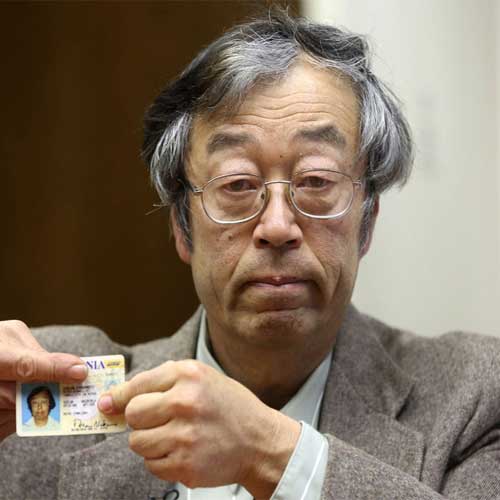
Prediction markets are currently pricing a 10.1% probability that Satoshi Nakamoto—Bitcoin's pseudonymous creator—will move any cryptocurrency during 2026, according to Arkham's Intel Explorer tracking data. The market has held this level consistently, with no significant movement over the past 24 hours despite its substantial liquidity of $2.7 million. This implies traders assign a roughly 9-to-1 probability against any transaction activity from wallets attributed to Satoshi during the calendar year.
Why It Matters
Satoshi's estimated 1 million Bitcoin holdings—currently worth approximately $40-50 billion at prevailing exchange rates—represent one of cryptocurrency's most consequential unknowns. Any movement of these coins would be an extraordinary event with potential market-moving implications, as it could signal either the original creator's re-emergence or a security breach of long-dormant wallets. The question of whether Satoshi's coins will ever move has become foundational to Bitcoin's narrative about decentralized creation and abandonment of control, making this market outcome meaningful beyond pure investment terms.
Key Factors
Several forces sustain the low probability estimate. First, Satoshi Nakamoto has shown no publicly verifiable activity since 2010, making thirteen years of inactivity the baseline expectation. Second, the apparent loss or intentional sequestering of the coins suggests either inaccessibility or deliberate preservation as a symbolic statement about Bitcoin's origins. Third, any movement would trigger immediate cryptographic scrutiny; the wallets are among the most monitored addresses in the blockchain, with numerous research teams tracking them continuously. Finally, the creation of this market itself—and its resolution framework tied to Arkham's Intel Explorer's classifications—introduces operational uncertainty around what constitutes a definitive \"Satoshi\" transaction, which may further suppress movement expectations.
Outlook
The probability is likely to remain compressed unless new evidence emerges suggesting Satoshi's return or a credible breach of dormant addresses. Geopolitical developments, regulatory actions, or technical discoveries could theoretically shift trader expectations, but the fundamental 13-year silence and lack of verifiable identity claims maintain a strong structural bias toward the \"No\" outcome. Any significant price appreciation in Bitcoin itself would theoretically increase the incentive for Satoshi to move coins, though this mechanism appears weak relative to the demonstrated historical restraint.


