Market Overview
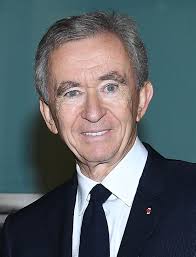
Bernard Arnault, the LVMH luxury empire chairman and Europe's richest person, is trading at just 1.1% implied probability of topping the global wealth rankings by year-end 2026. The market has remained stable at this level over the past 24 hours, with $362,312 in trading volume suggesting moderate interest in this long-odds outcome. The resolution criteria rely on Bloomberg's Billionaires Index as the primary source, with Forbes Real-Time Billionaires as a backup measure.
Why It Matters
The world's richest person ranking carries symbolic weight in discussions about wealth concentration and global economics, though it remains inherently unstable due to stock price fluctuations and currency movements. For prediction market participants, this question hinges on relative wealth changes rather than absolute wealth growth—Arnault would need to not only maintain his fortune but see other ultra-wealthy individuals experience significant declines. The 1.1% probability suggests the market views such a scenario as highly unlikely over the next year, reflecting current competitive dynamics among the global ultra-wealthy.
Key Factors
The primary driver of Arnault's low odds is the current strength of other billionaires' fortunes. As of recent rankings, tech magnates and other entrepreneurs maintain larger net worths, with their wealth tied to volatile equity markets. Arnault's fortune, while substantial and relatively stable, is concentrated in LVMH—a mature luxury conglomerate whose stock performance, while resilient, typically moves more predictably than high-growth tech stocks. Currency fluctuations between the euro and dollar also play a role in international wealth comparisons. Any sharp decline in technology stocks or adverse developments for rival billionaires could mathematically improve Arnault's odds, though such shifts would need to be dramatic.
Outlook
For Arnault to become the richest person by December 31, 2026, markets would need to reprice significantly in favor of luxury goods and against technology or other sectors dominating current wealth rankings. While not impossible—billionaire rankings have historically shifted—the 1.1% probability reflects a market view that the competitive advantage of current wealth leaders is substantial. Traders monitoring this market would likely focus on relative performance metrics between LVMH stock and the equity holdings of rival billionaires, as well as any major M&A activity or personal wealth transfers that could alter the landscape.