Market Overview
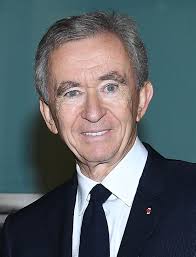
Bernard Arnault, chairman of luxury conglomerate LVMH Moët Hennessy Louis Vuitton, commands a current probability of just 1.1% to claim the top spot on the Bloomberg Billionaires Index by year-end 2026. The market shows minimal movement from the 1.1% level recorded 24 hours prior, indicating stable consensus among traders that the outcome remains an extreme long shot. Trading volume of $362,312 demonstrates active interest despite the negligible odds, suggesting participants view the scenario as theoretically possible but highly improbable.
Why It Matters
The identity of the world's richest person carries symbolic weight in discussions of wealth concentration and global economic power. Arnault has alternated positions with Elon Musk at the top of various billionaires lists over recent years, making this question directly tied to broader trends in technology sector valuations versus luxury goods and fashion. The resolution mechanism—which prioritizes the Bloomberg Billionaires Index and falls back to Forbes and historical data—establishes clear standards for what constitutes \"richest,\" though real-time wealth rankings inherently reflect daily market fluctuations rather than stable snapshots.
Key Factors
Arnault's path to the top ranking would require either extraordinary growth in his LVMH holdings or significant declines in competitors' fortunes. Elon Musk's Tesla stock represents a major variable given its volatility, while other contenders including Jeff Bezos, Mark Zuckerberg, and Larry Ellison all possess substantial wealth claims. Arnault's wealth is relatively stable, rooted in a diversified luxury goods empire with consistent cash flows, which provides less upside potential than the high-growth technology stocks that fuel competitors' rankings. Currency fluctuations, market sentiment toward luxury sectors, and M&A activity across the companies held by billionaires all influence the rankings in ways difficult to predict over a 12-month horizon.
Outlook
For Arnault to reach the top ranking by December 31, 2026, traders would likely need to see a sustained rally in luxury goods stocks combined with pullbacks in technology valuations—a scenario the market considers distinctly unlikely. The 1.1% probability effectively prices in only tail-risk scenarios, such as major strategic acquisitions, unforeseen market rotations, or unexpected wealth transfers among the ultra-wealthy. Absent significant structural shifts in global capital markets or dramatic performance divergence between luxury and technology sectors, the probability is unlikely to move meaningfully higher in coming months.


