Market Overview
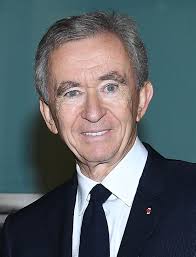
Bernard Arnault, the French luxury goods magnate and chair of LVMH Moët Hennessy Louis Vuitton, is currently priced at 1.1% odds to be the world's richest person on December 31, 2026. This represents a remarkably low probability for someone who held the top ranking multiple times over the past three years. The market, which has drawn $362,312 in trading volume, reflects the extreme concentration of wealth at the billionaire apex and the significant headroom other contenders maintain.
Why It Matters
The identity of the world's richest person carries symbolic weight but also serves as a practical indicator of mega-cap equity performance and macroeconomic trends. Arnault's ranking depends heavily on LVMH's stock valuation, which in turn reflects luxury consumer spending, Asian demand dynamics, and currency fluctuations—particularly euro-dollar movements. The market's assessment suggests that for Arnault to reclaim the top spot by year-end 2026, he would need substantial outperformance relative to competitors, primarily Elon Musk and other technology billionaires whose wealth is tied to more volatile equity markets.
Key Factors
Several structural forces constrain Arnault's probability. LVMH trades on established markets with more predictable valuations than technology stocks; its luxury positioning makes it sensitive to economic slowdowns and high-end consumer confidence. Elon Musk's wealth, by contrast, derives largely from Tesla and SpaceX valuations, which can experience rapid appreciation. Additionally, Arnault's wealth is shared across his family structure and multiple entities, whereas competitors like Musk hold more concentrated stakes. Historical data shows the top billionaire ranking has shifted frequently since 2020, driven by stock price movements rather than fundamental wealth creation, creating genuine uncertainty even at slim probabilities.
Outlook
For Arnault to move materially higher in the odds, LVMH would need to demonstrate exceptional growth relative to technology stocks over the next two years, or Musk's wealth would need to decline substantially. Market participants are pricing in the base case that tech-driven wealth will continue to dominate the billionaire rankings through 2026. Any significant recession affecting luxury consumption, or conversely, a sharp rotation out of technology stocks, could quickly shift these odds. Traders should monitor LVMH earnings, luxury sector demand in China, and relative performance of major tech holdings as key indicators of whether Arnault's ranking could improve.