Market Overview
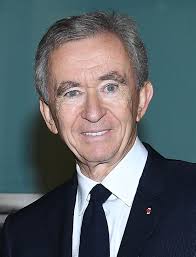
Bernard Arnault, the French luxury goods magnate and LVMH Moët Hennessy Louis Vuitton chief, is trading at just 1.1% probability of holding the world's richest person designation on December 31, 2026—essentially a long-shot wager. The market has remained stable at this probability level over the past 24 hours despite $362,000 in volume, suggesting traders have reached a consensus view on Arnault's prospects. The low odds reflect the challenging competitive landscape among the world's ultra-wealthy, where fortunes can shift substantially based on stock price movements and exchange rate fluctuations.
Why It Matters
The identity of the world's richest person carries symbolic weight in global business discourse and serves as a benchmark for billionaire wealth concentration. For Arnault specifically, whose personal fortune is deeply tied to LVMH's market valuation, any ranking represents a snapshot of luxury goods sector sentiment and French asset performance relative to competitors. The prediction market essentially measures whether analysts believe Arnault can overtake current frontrunners—primarily Elon Musk, whose wealth fluctuates with Tesla stock movements—within the next roughly two years. This market reflects not just on Arnault's prospects but on broader expectations for tech stocks versus luxury goods equities.
Key Factors
Several dynamics determine Arnault's odds. First, LVMH's stock performance directly correlates with his net worth, and luxury spending patterns remain sensitive to economic cycles and consumer sentiment. Second, Musk's Tesla holdings dominate the current top spot, and cryptocurrency-related assets add volatility that can quickly reshape billionaire rankings. Third, currency movements matter: Arnault's wealth is denominated primarily in euros, while competitors hold dollar-heavy portfolios. A sustained strengthening of the euro against the dollar could marginally help Arnault's case, though it would require extraordinary circumstances to propel him to the top. Finally, major M&A activity, dividend distributions, or share buybacks by LVMH or competitors could shift relative positions substantially.
Outlook
For Arnault to reach a 1.1% probability level by year-end 2026, traders would need to see evidence of either significant LVMH appreciation outpacing rivals or a major decline in competitors' holdings. Given that the ultra-wealthy's rankings have increasingly become dominated by tech and electric vehicle assets—sectors historically more volatile and rewarding than luxury goods—Arnault faces structural headwinds. A prolonged slowdown in luxury consumption or LVMH's underperformance would further reduce his already minimal odds. Market participants appear comfortable with these probabilities, suggesting that meaningful movement in Arnault's favor would require sector-wide shifts in investor preferences or unexpected developments in competitors' major holdings.