Market Overview
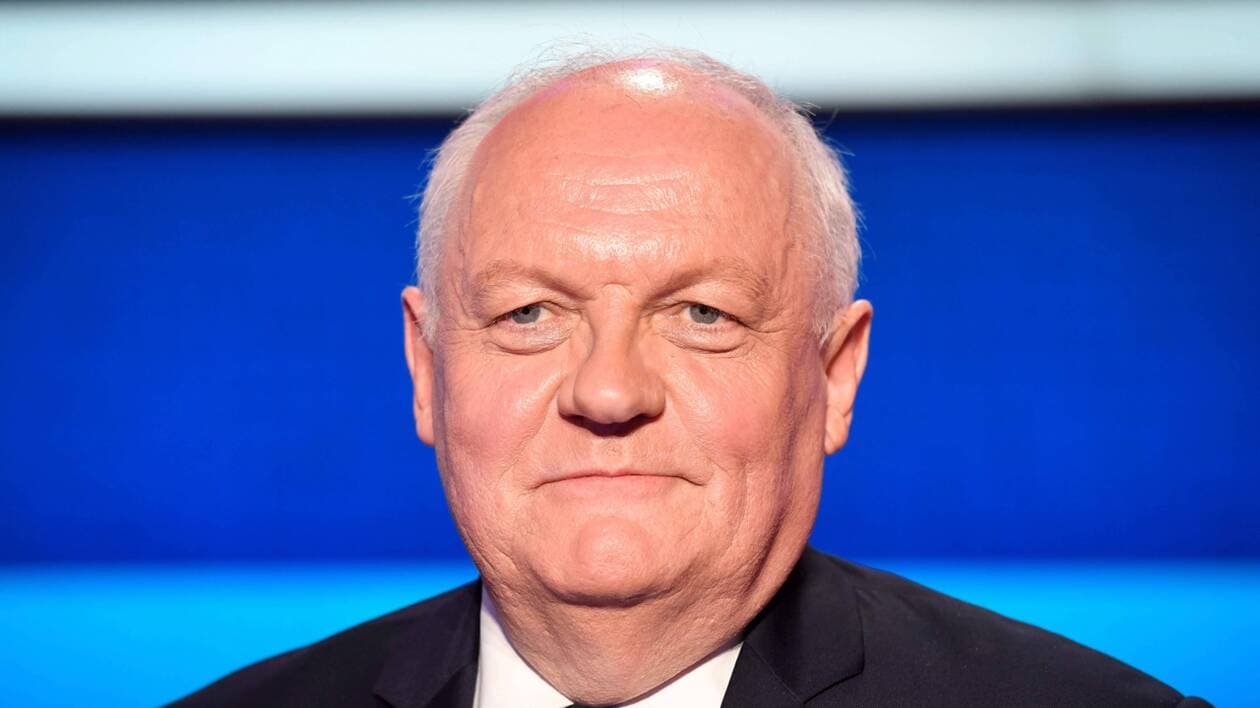
François Asselineau holds a 0.7% implied probability of winning the 2027 French presidential election, according to current prediction market pricing. With over $2.2 million in trading volume, the market reflects a broad consensus that the UPR leader occupies the extreme periphery of French presidential politics. This minimal odds assignment places Asselineau alongside dozens of other fringe candidates who will likely appear on the ballot but have virtually no path to the presidency.
Why It Matters
The 2027 election represents a critical juncture for French politics. The country has experienced significant electoral volatility in recent years, with the far-right National Rally (RN) and left-wing blocs challenging the centrist establishment. While this turbulence has elevated previously marginal figures, Asselineau's sub-1% probability suggests prediction markets view the viable candidate pool as fundamentally distinct from his tier. For context, first-round results typically feature 10-15 candidates with meaningful support; reaching the two-round runoff requires either strong first-round performance or positioning as a credible second choice, neither of which Asselineau has historically achieved.
Key Factors
Asselineau founded the Union Populaire Républicaine (UPR) in 2007 and has run for president multiple times, consistently polling in the low single digits. His platform centers on French sovereignty and withdrawal from international commitments, but messaging that once appeared novel now competes in a crowded space occupied by stronger far-right and Eurosceptic movements. The RN, under Marine Le Pen and Jordan Bardella, commands far greater organizational capacity and voter base. Simultaneously, France's left and center movements retain candidates with substantially higher name recognition and party infrastructure. For Asselineau to reach the runoff, he would need either a major political disruption, significant media breakthrough, or consolidation of protest voters around his candidacy—scenarios the 0.7% odds implicitly discount as highly unlikely.
Outlook
Unless Asselineau's polling shows marked improvement over the coming years, his odds are unlikely to shift materially upward. A major political crisis, widespread disaffection with mainstream candidates, or unexpected media prominence could theoretically alter calculus, but the current probability reflects the view that French voters have established clearer preferences among established candidates and emerging movements. The stability of his odds at 0.7% over the past 24 hours suggests market participants see limited new information likely to change his positioning as a long-shot third or fourth-tier candidate in a crowded field.