Market Overview
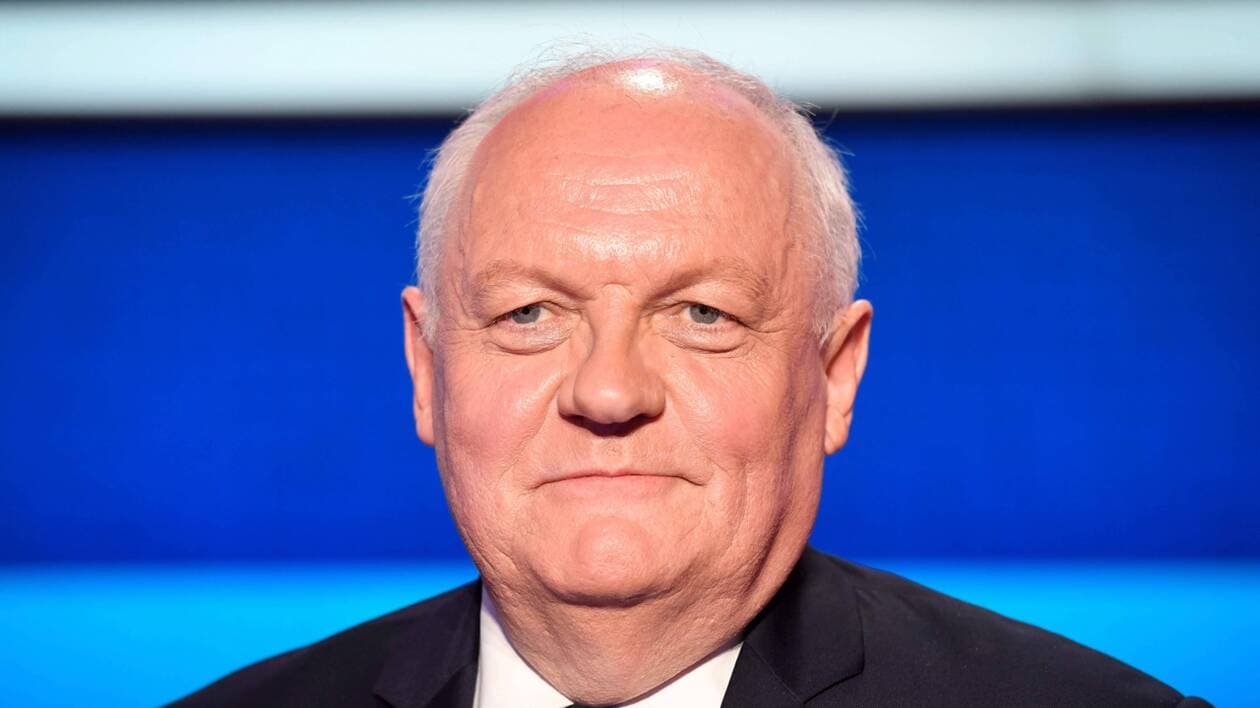
François Asselineau, founder and president of the Union Populaire Républicaine (UPR), is trading at 0.5% implied probability in the 2027 French presidential election prediction market—a vanishingly small figure that reflects consensus expectations of his electoral viability. Despite this minimal odds assignment, the market has generated substantial trading volume of approximately $2.9 billion, indicating significant trader interest in French electoral outcomes more broadly. The 0.5% probability has remained stable over recent reporting periods, suggesting no recent shifts in market sentiment regarding Asselineau's candidacy.
Why It Matters
Asselineau represents the radical Eurosceptic fringe of French politics, having centered his political platform on France's withdrawal from the European Union and NATO—positions that place him far outside the mainstream of French electoral competition. His persistent but marginal polling presence has made him a recurring feature in French presidential cycles, including 2012, 2017, and 2022 contests, where he typically captured between 0.8% and 0.92% of the popular vote. Understanding how prediction markets price extremely long-shot candidates illuminates both the depth of French political fragmentation and the challenges facing non-establishment figures in winning national office, even in proportional systems that might reward fringe movements.
Key Factors
Several structural factors constrain Asselineau's path to victory. France's two-round presidential system creates a high bar for non-establishment candidates: reaching the second round requires either substantial first-round support (to place among the top two) or a highly fragmented field where the top two finishers secure only plurality support. Asselineau's historical vote share of roughly 1% falls well short of competitive thresholds. Additionally, his deeply Eurosceptic platform, while resonating with a subset of French voters dissatisfied with EU integration, conflicts with the mainstream consensus that has dominated French politics across the ideological spectrum for decades. The recent consolidation of far-right movements around Marine Le Pen's National Rally and the establishment of various left-wing coalitions further compress the space available for independently-positioned candidates outside major coalitions. Demographic and regional support for Asselineau remains concentrated in pockets of rural France and among older voters skeptical of European institutions, limiting his ability to build a nationally competitive coalition.
Outlook
The 0.5% pricing likely represents an equilibrium between two considerations: recognition that Asselineau will almost certainly field a candidacy and may again reach roughly 1% of the first-round vote, balanced against the mathematical improbability that such a result translates into second-round advancement or victory. Substantial shifts in this probability would require either major changes in the French political landscape—such as a dramatic surge in Eurosceptic sentiment broadly, or significant fragmentation of the mainstream parties—or developments specific to Asselineau's UPR that dramatically expanded its organizational capacity and public profile. For now, the market reflects the consensus that Asselineau remains a perennial minor candidate unlikely to break through electoral thresholds that would position him competitively in a two-round system.