Market Overview
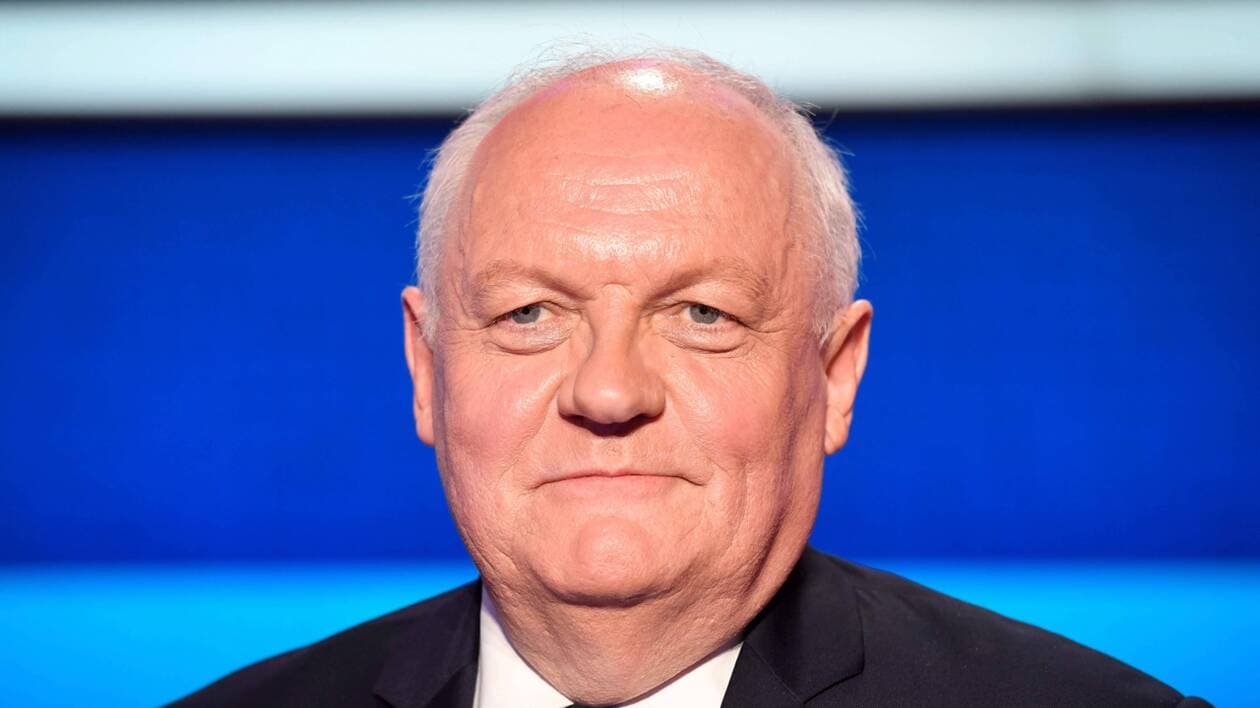
François Asselineau, leader of the Union Populaire Républicaine (UPR), remains a highly unlikely contender in prediction markets assessing the 2027 French presidential race. With a probability of 0.5%—unchanged from 24 hours prior—the market indicates near-complete consensus that Asselineau will not emerge victorious in the two-round election system. Despite this minimal odds assignment, the market has attracted substantial liquidity, with nearly $3 million in total volume, suggesting active interest in French electoral outcomes more broadly even as this specific candidate's path to victory appears extraordinarily narrow.
Why It Matters
France's 2027 presidential election represents a significant political event, with the outcome potentially reshaping European politics and Franco-German relations. While Asselineau himself remains a marginal figure in French politics, the broader market for this election reflects international investor and trader interest in French political stability and ideological direction. The negligible odds assigned to Asselineau serve as a benchmark for how prediction markets price out fringe candidates—those with non-zero but negligible pathways to victory—in major democratic elections.
Key Factors
Asselineau's extremely low probability reflects several structural obstacles. The UPR leader has never achieved significant traction in national elections, consistently polling in the low single digits or below the detection threshold in major polling aggregates. France's two-round system requires a candidate to either win outright in round one with over 50% of the vote—highly improbable for a perennial fringe candidate—or finish in the top two to advance to a runoff. Asselineau has never finished in France's top-two presidential finishers, and no polling data suggests a dramatic shift in his electoral support. Additionally, the 2027 race will likely feature stronger candidates with established constituencies: the incumbent political blocs, potential Socialist challengers, far-right candidates from the National Rally, and other centrist or moderate conservative contenders.
The high market volume relative to Asselineau's vanishingly small odds suggests that traders are active across the broader 2027 French election market, with positions in major candidates driving overall engagement. This market structure allows smaller bets on long-shot outcomes without materially affecting pricing for more plausible scenarios.
Outlook
Unless Asselineau experiences an unprecedented surge in political relevance—a shift unsupported by current French political trends—his probability is likely to remain near its current floor. For this price to move materially higher, Asselineau would need to demonstrate substantially increased polling support, capture major media attention, or build a coalition capable of pushing him into France's top-two finalists. Given the historical record and the fragmented nature of French electoral competition, such a development appears highly unlikely. The market will likely remain stable unless broader French political upheaval reshuffles the candidate landscape significantly.