Market Overview
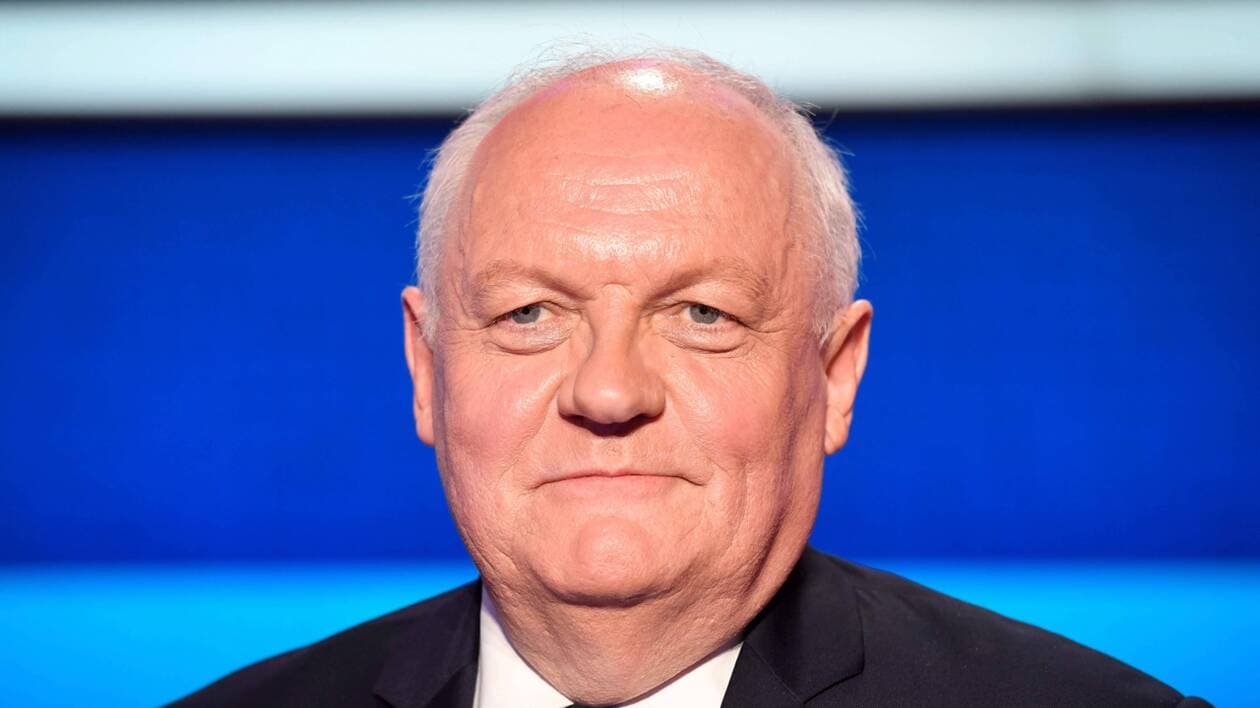
François Asselineau is currently priced at just 0.5% to win France's next presidential election, scheduled for April 2027. The stability of this probability—unchanged from 24 hours prior—suggests a settled market view of his candidacy. Despite the modest odds, the market has attracted nearly $2.9 million in total volume, indicating serious interest from traders in the broader 2027 French presidential landscape and substantial activity across competing candidates.
Why It Matters
French presidential elections determine the nation's chief executive and carry significance for European policy, EU governance, and broader geopolitical positioning. The 2027 contest follows Emmanuel Macron's second term and occurs amid economic headwinds, shifting political alignments, and rising populist movements across Europe. Understanding which fringe candidates like Asselineau retain meaningful probabilities helps contextualize the depth of fragmentation in French electoral politics and which non-mainstream voices retain viability at the ballot box.
Key Factors
Asselineau leads the Union Populaire Républicaine (UPR), a Eurosceptic, sovereigntist party founded in 1999. His historical performance has been modest: in the 2022 presidential election, he secured approximately 0.5% of the first-round vote, placing him far outside the leading contenders. To win in 2027, he would need to substantially expand his base and either win the first round outright—requiring 50% support—or finish in the top two to contest a runoff. French electoral mechanics strongly favor established parties with broader coalitions, making his path extraordinarily narrow.
The current 0.5% market probability reflects his historical vote share and lacks evidence of significant recent surge in support or party infrastructure that would suggest material improvement. Macron, Marine Le Pen, and figures from the center-left and center-right remain far more positioned to contest the presidency. Asselineau would face steep barriers to media attention, campaign financing, and converting marginal support into first or second-round relevance.
Outlook
Barring unprecedented political realignment or a transformative shift in French public opinion toward his sovereigntist platform, Asselineau's 2027 chances appear unlikely to move materially above current levels. Market participants are pricing in the structural challenges of third-party candidacies in high-stakes French elections and his marginal historical performance. Movement in this probability would likely require evidence of meaningful momentum in polls, successful coalition-building, or significant disaffection from larger established parties that could redirect votes his direction.