Market Overview
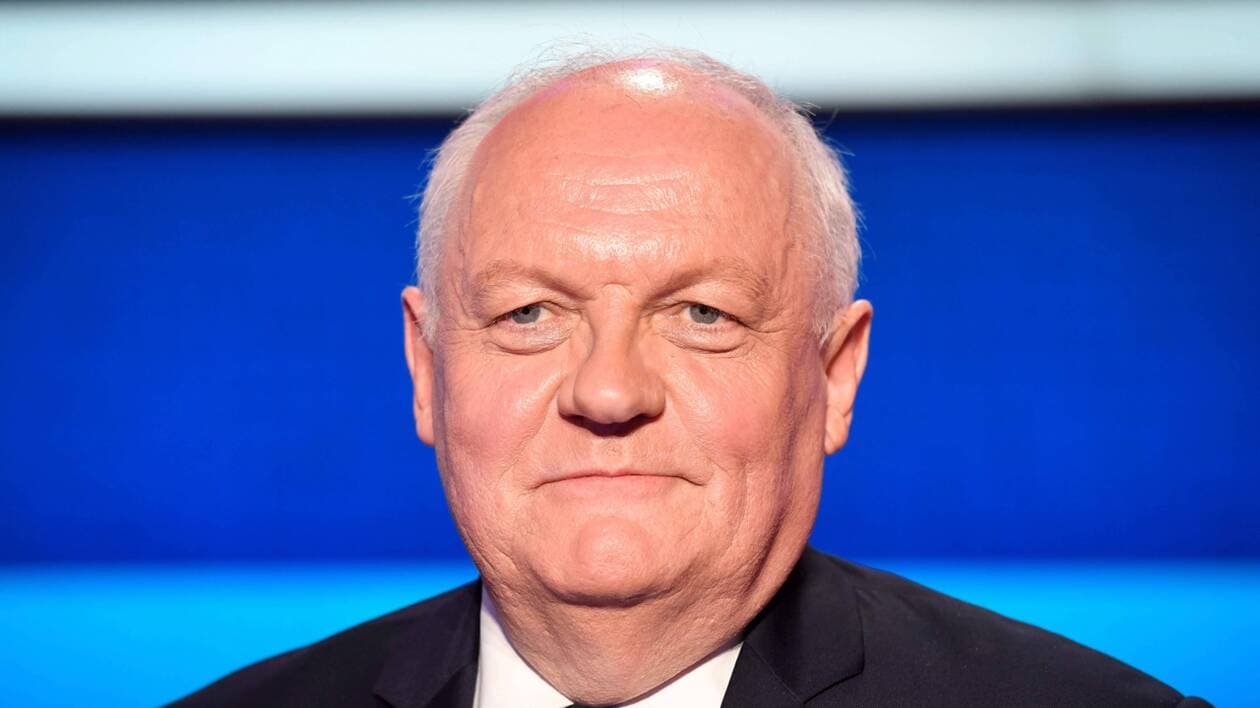
Prediction markets have assigned François Asselineau a 0.5% winning probability in the 2027 French presidential election, placing him among the longest of long-shot candidates. With nearly $2.9 million in volume, this market has attracted substantial wagering interest, though Asselineau's odds remain consistent with his historical performance in French politics. The two-round electoral system means that even distant outsiders theoretically retain a path to victory, but the probability reflected here suggests traders view his prospects as negligible.
Why It Matters
French presidential elections carry significant implications for European politics and policy. The 2027 race will determine France's direction on economic reform, EU integration, defense spending, and social policy during a period of geopolitical tension. While Asselineau commands minimal predicted support, the broader market reveals how prediction participants weigh the chances of various French political figures. Understanding the full spectrum of candidate probabilities—from frontrunners to marginal players—provides insight into baseline expectations for France's political landscape.
Key Factors
Asselineau's 0.5% probability reflects several structural disadvantages. The Union Populaire Républicaine (UPR), his party, lacks parliamentary representation and has failed to cross meaningful vote thresholds in recent elections. In the 2022 presidential election, Asselineau secured approximately 0.5% of the first-round vote, establishing a recent baseline for his electoral support. His platform emphasizing French sovereignty and EU skepticism occupies political space already contested by National Rally (Rassemblement National) and other right-wing parties with substantially greater organization and visibility. The French electoral system's two-round format favors candidates with either broader mainstream appeal or sufficiently concentrated regional support to reach a runoff, neither of which Asselineau has demonstrated.
Market Context
The 2027 race remains approximately two years away, and the field is still consolidating. Current polling suggests competition among centrist, center-right, and far-right blocs, with potential involvement of Socialist and Republican parties. Asselineau's probability would likely shift only if exceptional circumstances—such as major realignment of French politics, substantial media exposure, or fracturing of existing parties—created space for a non-establishment candidate to gain traction. Historical precedent suggests such scenarios remain unlikely, particularly for a candidate without recent electoral momentum or institutional support.
Outlook
Unless significant political upheaval reshapes the French electoral landscape, Asselineau's probability is likely to remain in the sub-1% range through the 2027 election cycle. Market participants have already priced in his marginal status based on recent electoral history and current organizational capacity. Should unforeseen developments expand space for anti-establishment candidacies—a development that would simultaneously affect multiple minor candidates—his odds could shift upward. For now, the market reflects a consensus that Asselineau's 2027 prospects are distant.