Market Overview
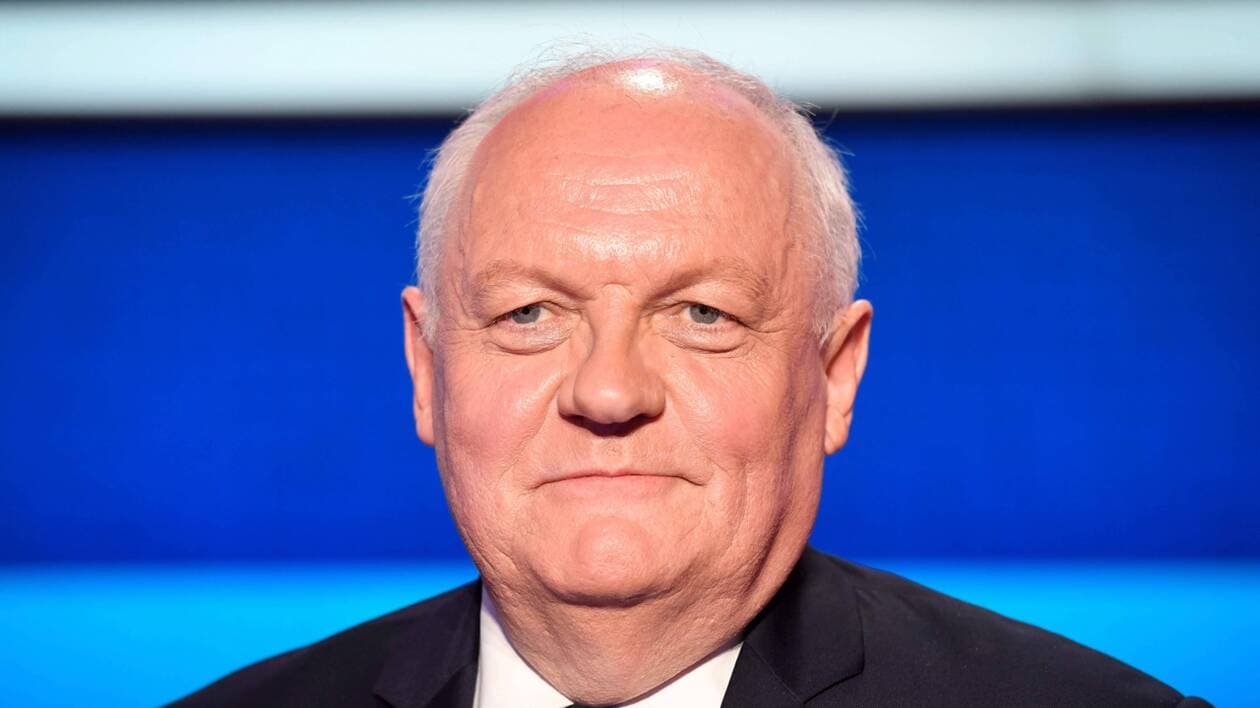
François Asselineau, president of the Union Populaire Républicaine (UPR), is currently valued at 0.5% to win the 2027 French presidential election—a probability that has remained stable over recent trading activity. The market shows substantial liquidity, with over $2.9 million in volume, suggesting serious engagement despite the candidate's long-odds status. Under France's two-round electoral system, Asselineau would need to either exceed 50% in the first round or finish in the top two to advance to a runoff, making his path exceptionally narrow.
Why It Matters
French presidential elections have historically been dominated by establishment parties and prominent national figures with significant media presence and party machinery. The 2027 race will be France's first major electoral test following the political turbulence of recent years, including Emmanuel Macron's parliamentary dissolution and the rise of far-right and leftist alternatives. While niche candidates can occasionally advance to runoffs, Asselineau's positioning as a Eurosceptic traditionalist represents a far-right ideological tendency that faces crowded competition from larger parties occupying similar ground. Understanding the long-odds pricing on minor candidates provides insight into how prediction markets assess the practical viability of non-mainstream political actors.
Key Factors
Asselineau's minimal odds reflect several structural realities. First, the UPR remains a marginal political force with limited parliamentary representation, organizational resources, and media reach compared to the Socialist Party, Republicans, National Rally, or other established contenders. Second, polling for the 2027 race remains early, but Asselineau has historically struggled to achieve even single-digit vote shares in national elections. Third, France's concentrated media environment and debate qualification thresholds favor candidates with established institutional backing. Fourth, the nationalist and Eurosceptic space Asselineau inhabits is already occupied by more prominent figures, including Marine Le Pen's National Rally, which commands far greater infrastructure and public recognition.
Outlook
For Asselineau's probability to shift materially upward, several improbable developments would need to occur: a major political realignment fragmenting existing parties, a dramatic surge in personal visibility or media coverage, or a severe fracturing of the non-extreme-right vote that creates an opening for a third-force candidate. As the election approaches and official campaigns begin, markets will likely adjust based on polling data, debate performances, and endorsements—each of which would need to show unexpected movement to justify meaningfully higher odds. Conversely, the 0.5% floor may partly reflect a perception floor below which long-shot candidates are rarely traded, rather than a precise calculation of his winning probability. The substantial volume on this market suggests bettors view even minor-party positioning as worthy of speculation, despite mathematical consensus on the unlikelihood of Asselineau's victory.