Market Overview
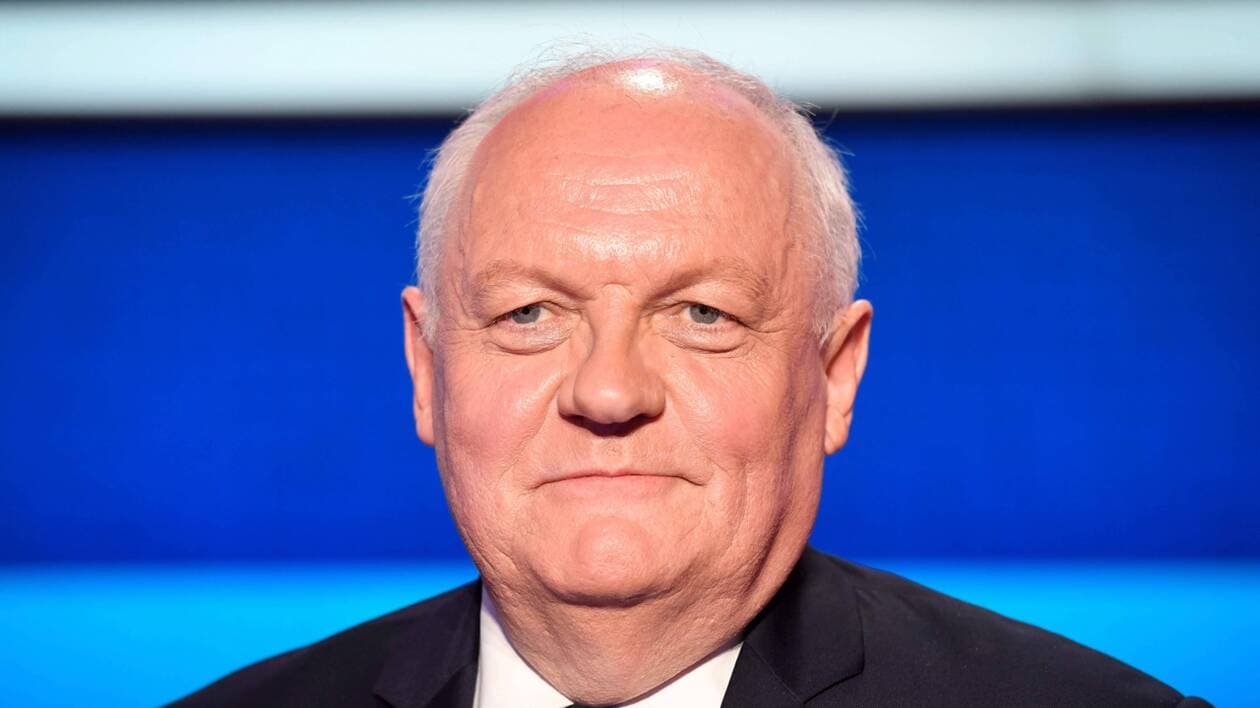
François Asselineau, leader of the minor Union Populaire Républicaine (UPR) party, is priced at 0.5% odds to win the next French presidential election scheduled for April 2027. The market has remained stable at this level over the past 24 hours, with substantial liquidity of nearly $2.9 million reflecting broader interest in French electoral outcomes. This probability places Asselineau among the longest odds in the field, far below mainstream candidates and established challengers.
Why It Matters
The French presidency represents one of Europe's most consequential political positions, wielding substantial executive power. The 2027 election will determine France's direction on critical issues including European integration, economic policy, and strategic autonomy in global affairs. While Asselineau's individual candidacy carries minimal realistic probability, the market reflects broader forecasting consensus about France's electoral structure and the dominance of established political forces.
Key Factors
Asselineau's extremely low odds reflect several structural realities. The UPR remains a fringe political entity with negligible parliamentary representation and limited name recognition outside activist circles. In France's two-round presidential system, candidates typically require either strong first-round polling to advance or existing institutional support. Asselineau has demonstrated neither consistently strong national polling nor the organizational infrastructure of mainstream parties. Historical precedent shows that minor-party candidates rarely penetrate the two-candidate runoff, let alone win. Additionally, France's current political landscape is dominated by established forces including Macron's centrist movement, the Socialist Party, Republicans, and the National Rally—all substantially better positioned to compete for voters in both rounds.
Outlook
For Asselineau's odds to materially increase, the French political landscape would require unprecedented realignment that elevates the UPR from marginal status to competitive viability. This would necessitate either a dramatic expansion of his party's institutional presence or fundamental fragmentation of the current mainstream parties that somehow favored his candidacy. The 0.5% probability reflects the prediction market consensus that such a scenario remains extremely unlikely given France's electoral history and current political dynamics. Observers should monitor whether the UPR gains measurable polling support or organizational capacity in the years before 2027, though current evidence suggests limited probability of meaningful movement in this market.