Market Overview
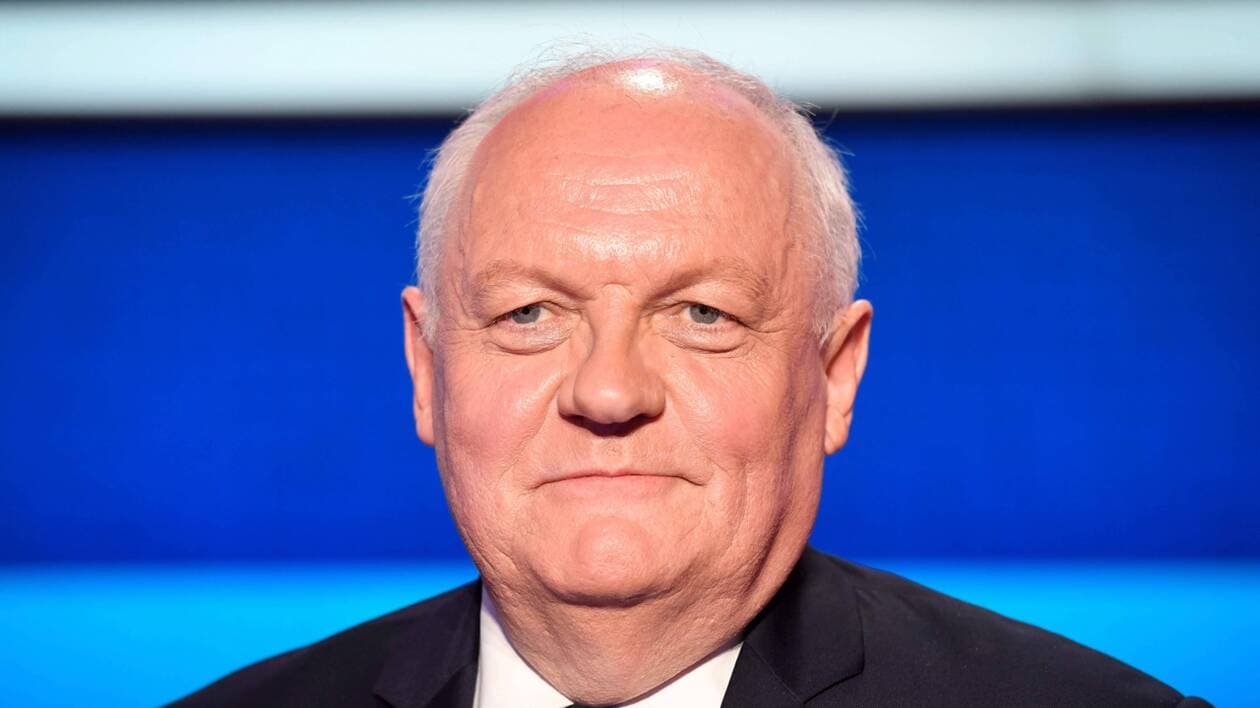
François Asselineau, leader of the Union Populaire Républicaine (UPR), is priced at half a percent to win France's next presidential election in April 2027. The 0.5% probability has remained stable over the past 24 hours, with substantial volume of approximately $2.9 million indicating genuine market interest in French electoral outcomes despite Asselineau's marginal positioning. This odds level places him among the longest shots in what is expected to be a competitive race among mainstream candidates from the center-right, center-left, and far-right blocs.
Why It Matters
The 2027 election will determine France's direction during a period of significant political uncertainty. The country is grappling with questions of European integration, immigration policy, economic reform, and institutional governance. While Asselineau's platform emphasizes French sovereignty and withdrawal from what he views as supranational constraints, his party has failed to gain traction in recent electoral cycles. The near-vanishing probability assigned to him reflects market confidence that mainstream parties will dominate the contest, even in a fragmented political landscape where surprise outcomes have become more frequent.
Key Factors
Asselineau's minimal probability reflects several structural barriers to his candidacy. The UPR has consistently polled in the sub-1% range in recent national surveys, far below the visibility threshold required to shape campaign narratives or qualify for televised debates in some formats. In the 2022 presidential election, Asselineau received approximately 0.3% of first-round votes. The two-round French system typically consolidates support around larger parties during runoffs, making it extraordinarily difficult for sub-2% candidates to reach the final round. Additionally, France's political landscape currently features stronger sovereigntist messaging from more established figures, particularly Marine Le Pen's National Rally, which commands significantly greater media attention and organizational resources.
Outlook
Barring unforeseen circumstances—such as a dramatic realignment of French politics or sudden surges in sovereigntist sentiment that specifically elevate Asselineau above his historical performance—his probability is unlikely to move substantially higher. Developments that could shift market expectations would include a significant polling breakthrough, media breakthrough, or a fundamental institutional change to the electoral system. Conversely, stronger performances by other candidates in the 2024-2027 period could push his odds even lower. For markets monitoring French electoral dynamics, Asselineau's position serves as a baseline for how prediction markets price genuinely marginal candidates operating outside mainstream political coalitions.