Market Overview
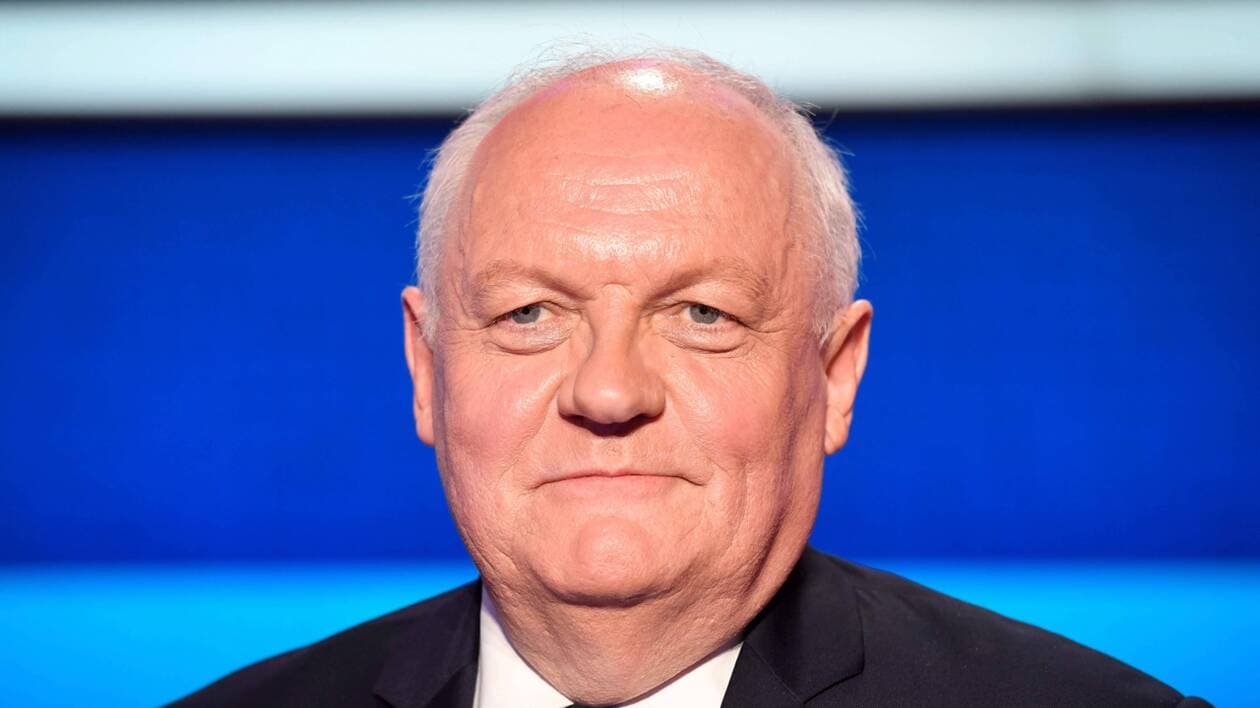
François Asselineau, who leads the Union Populaire Républicaine (UPR), a small eurosceptic political party, is priced at 0.5% to win the 2027 French presidential election scheduled for April. The probability has remained flat at this level over the past 24 hours, with trading volume of approximately $2.9 million indicating steady but modest market interest in predicting France's next presidential outcome. This negligible odds assignment reflects the significant structural barriers facing any candidate outside France's established political mainstream.
Why It Matters
France's presidential election represents one of Europe's most significant democratic contests, with implications for EU policy, NATO relations, and European geopolitical strategy. The 2027 race will occur against a backdrop of potential constitutional change—President Macron's dissolution of the National Assembly in 2024 and the subsequent political turbulence have left France's political landscape unsettled. Understanding which candidates the prediction market deems viable helps contextualize how traders assess France's political realignment and the viability of insurgent versus establishment figures.
Key Factors
Asselineau's minimal odds reflect several concrete realities. In the 2022 presidential election, he secured approximately 0.8% of the first-round vote—well below the threshold needed to advance to the second round. The UPR remains a marginal political force with limited parliamentary representation and grassroots organization compared to France's major parties including Macron's centrist bloc, the traditional center-right Republicans, the Socialist Party, and the far-right National Rally. French presidential elections typically require either substantial party infrastructure, mainstream media presence, or breakthrough populist momentum to reach the second round. Asselineau has demonstrated neither sustained electoral growth nor the organizational capacity to challenge established contenders. Additionally, France's two-round system makes reaching the runoff exceptionally difficult for minor candidates, with the top two finishers advancing regardless of vote share.
Outlook
For Asselineau's odds to materially improve, the 2027 race would need extraordinary political disruption—a collapse of establishment parties, unexpected media breakthrough, or a fundamental realignment toward eurosceptic positions at scale. Current market pricing suggests traders view this scenario as implausible. The probability assignment appears stable, indicating consensus that Asselineau remains a negligible force in French presidential politics. Significant developments that could shift these odds would include a dramatic surge in UPR membership and regional organization, a breakthrough electoral performance in intermediate contests, or a consolidation of anti-EU sentiment around Asselineau's candidacy—none of which appear imminent given the party's historical trajectory.