Market Overview
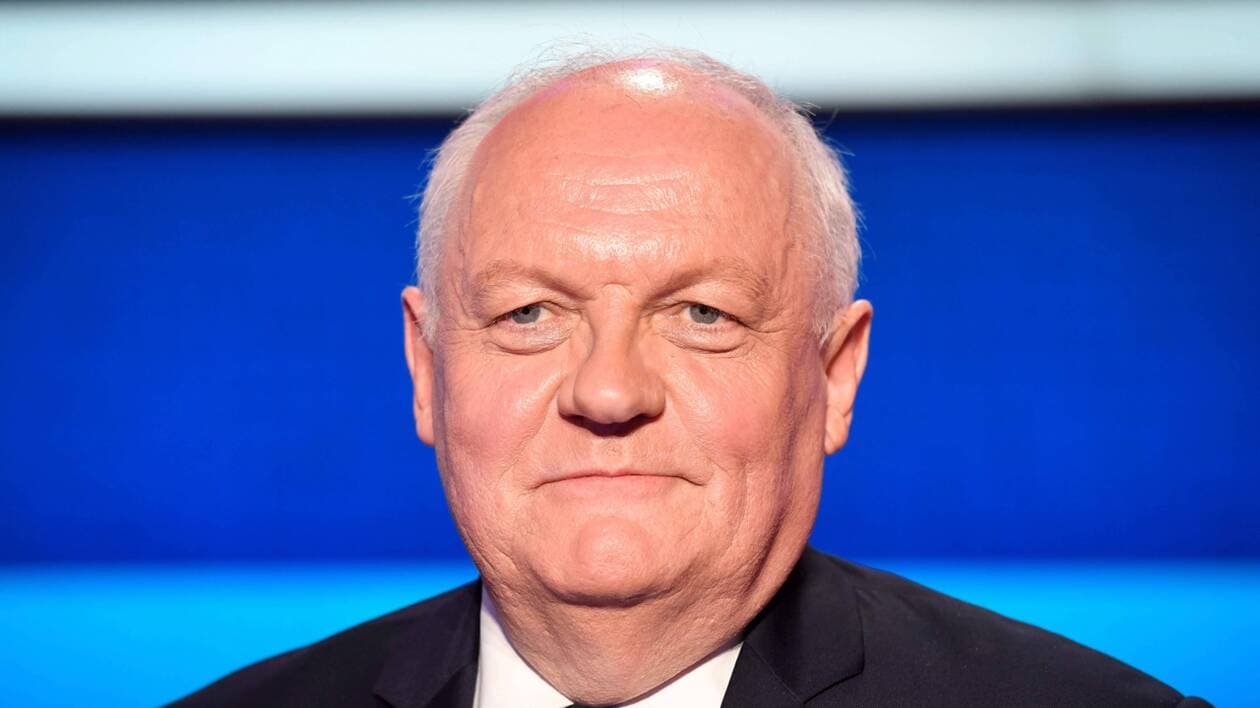
François Asselineau, the far-right eurosceptic candidate and leader of the People's Union (UPR), is trading at 0.5% implied probability of winning the 2027 French presidential election. This negligible odds level has remained stable over the past 24 hours, with the market showing substantial liquidity at nearly $2.9 million in total volume. The probability places Asselineau among the longest of long shots in a race that will likely feature centrist incumbent Emmanuel Macron, various left-wing challengers, and competitors from the mainstream right and Le Pen-aligned far-right establishment.
Why It Matters
The 2027 presidential election will be a pivotal moment for French politics, determining whether Macron can extend his influence, whether the Socialist or Green left can consolidate power, or whether the National Rally's institutional presence translates into the presidency. Asselineau's positioning in the market reflects broader questions about which anti-establishment voices can break through in a competitive field. His vanishingly small odds suggest prediction market participants view him as effectively unable to gain sufficient traction to reach even the second round of voting—a two-round system where the top two vote-getters advance if no candidate exceeds 50% in the first round.
Key Factors
Several structural impediments keep Asselineau's odds depressed. His UPR party remains marginal in French politics, having achieved minimal parliamentary representation and drawing single-digit support in most polling. In the 2022 presidential election, Asselineau received less than 1% of the first-round vote. The French electorate has shown stronger affinity for other anti-EU and populist voices, particularly Marine Le Pen's National Rally, which consistently polls in double digits and has built grassroots organizational capacity. Additionally, the centrist and left-wing fragmentation tends to coalesce around larger figures rather than fringe ideological challengers, making it increasingly difficult for minor candidates to accumulate the 5-10% thresholds typically needed to be considered serious contenders. Asselineau's platform—focused on French withdrawal from the EU and NATO—occupies territory already claimed by better-resourced competitors with greater public name recognition.
Outlook
For Asselineau's odds to move significantly higher, he would need to demonstrate unexpected organizational growth, secure major media exposure, or benefit from a dramatic fragmentation of the left-wing or anti-establishment vote. Current market pricing reflects rational skepticism about these scenarios materializing by April 2027. Unless polling data or campaign developments suggest the UPR is building measurable support, the 0.5% level likely represents a floor—an acknowledgment that unpredictable events exist in politics while maintaining that Asselineau remains an extreme outlier candidate with minimal path to the presidency.