Market Overview
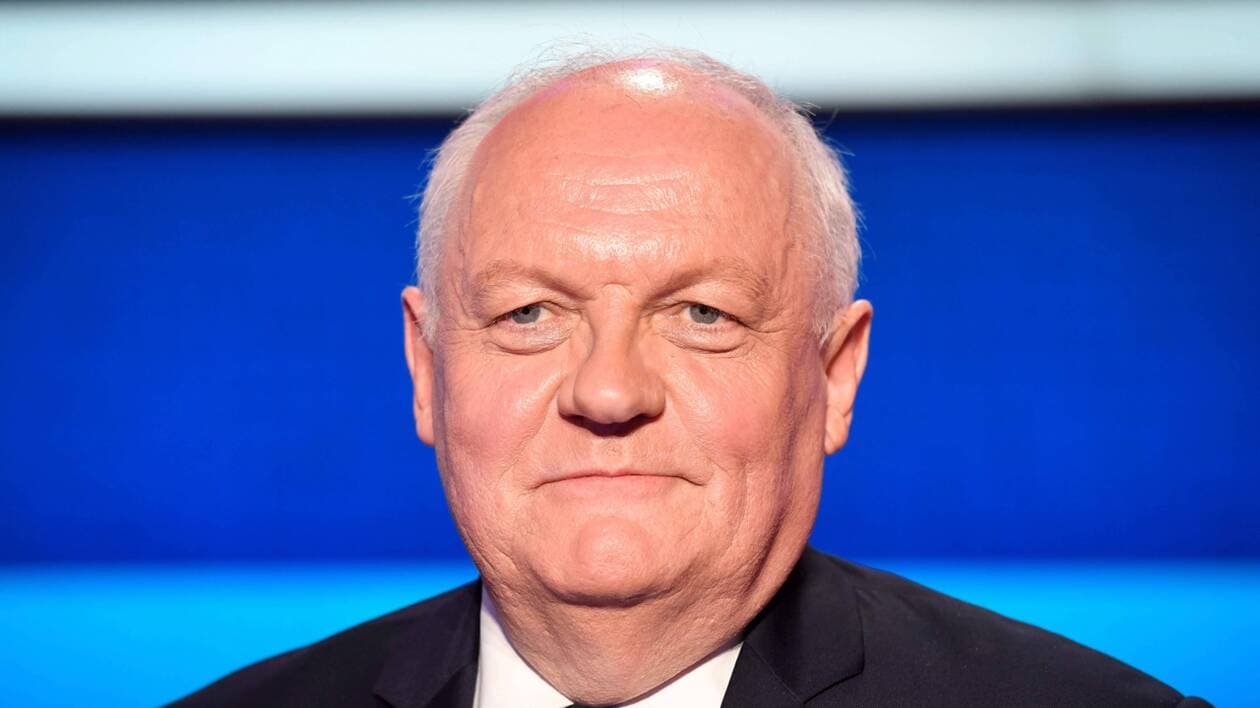
Prediction markets currently assign François Asselineau only a 0.5% probability of winning the 2027 French presidential election, according to the latest odds. This minimal probability has remained stable over the past 24 hours, suggesting a settled consensus about his electoral prospects. The overall market for the French presidential race has attracted substantial liquidity, with nearly $2.9 million in trading volume, indicating robust interest in France's political future despite Asselineau's own long odds.
Why It Matters
The 2027 French presidential election represents a critical inflection point for French politics. With Emmanuel Macron term-limited and the political landscape fractured among centrist, left-wing, and right-wing factions, the race will likely determine France's direction on European integration, economic policy, and immigration—issues of continental significance. Asselineau's negligible odds reflect the broader expectation that the contest will remain dominated by established political players rather than insurgent candidates.
Key Factors
Asselineau's near-zero probability stems from several structural disadvantages. As leader of the Union Populaire Républicaine (UPR), a Eurosceptic and nationalist party, he lacks the institutional support and media prominence of major contenders. His party has consistently failed to achieve significant parliamentary representation in French elections, and polling data suggests minimal name recognition among the broader electorate outside dedicated political observers. To reach the second round would require either a dramatic fragmentation of the right-wing vote—currently dominated by the Rassemblement National—or a unexpected surge in support unlikely given his peripheral position in mainstream political discourse.
Outlook
Barring extraordinary political upheaval, Asselineau's odds appear likely to remain in the fractional range through the 2027 election. The substantial betting volume in this market likely reflects interest in more plausible candidates rather than confidence in outsiders. Any significant movement in Asselineau's probability would require either a dramatic realignment of French politics or a shift in how prediction market participants assess the viability of smaller party candidates.