Market Overview
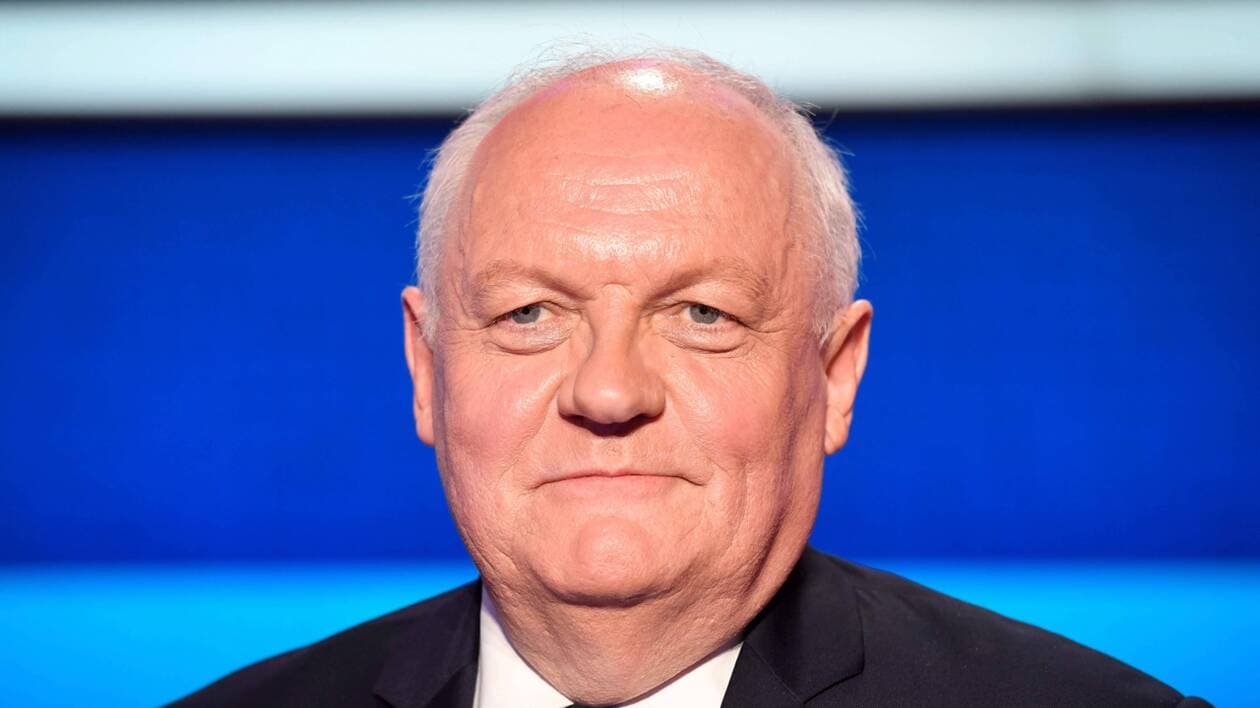
François Asselineau, leader of the Union Populaire Républicaine (UPR), is currently priced at 0.5% to win the April 2027 French presidential election in a prediction market that has generated nearly $2.9 million in trading volume. The probability has remained static over the past 24 hours, suggesting stable market sentiment around his candidacy. This odds level implies roughly a 1-in-200 chance that Asselineau will either win outright in the first round or emerge victorious from a second-round runoff against another candidate.
Why It Matters
Asselineau's extremely low odds underscore the competitive nature of French presidential politics, where the field typically narrows around a few major candidates by the time voting occurs. The 2027 election will be pivotal for France's political direction, coming after recent shifts in the French political landscape marked by rising support for far-right and anti-establishment movements. The substantial volume traded on this market—despite Asselineau's marginal odds—indicates significant interest in predicting the broader outcome, with participants hedging various scenarios across multiple candidates.
Key Factors
Asselineau's minimal probability reflects his historically limited electoral performance and narrow party base. The UPR, founded in 2006, has consistently failed to translate organizational activity into meaningful vote share in national elections. In the 2022 presidential election, Asselineau secured approximately 0.5% of the first-round vote. His positioning as an anti-euro, sovereignty-focused candidate occupies space already contested by larger parties, including Marine Le Pen's National Rally (Rassemblement National) on the right and various Eurosceptic voices across the political spectrum. For Asselineau to reach 0.5% probability implies traders see minimal path to either a first-round plurality or a runoff appearance.
Outlook
Movement in Asselineau's odds would likely require significant structural shifts in French politics—such as major fragmentation of the moderate right or left that elevates smaller candidates into runoff contention. Short of such disruption, his probability may remain in the sub-1% range through 2027, consistent with his marginal historical performance and limited organizational resources relative to established parties. The broader French presidential market will likely continue tracking better-positioned candidates, with Asselineau remaining a hedge bet for those anticipating highly fragmented outcomes.