Market Overview
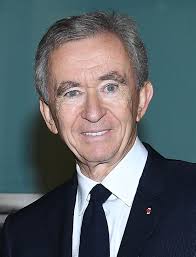
Bernard Arnault, chairman of luxury goods conglomerate LVMH, is priced at just 1.3% odds to claim the title of world's richest person by the end of 2026—a negligible probability that underscores the competitive dynamics of extreme wealth rankings. The market has seen modest movement, ticking up from 1.1% over the past 24 hours, but remains firmly anchored at historically low levels with $362,130 in volume. This pricing reflects a consensus view among prediction market participants that the LVMH leader faces formidable headwinds in maintaining or recapturing the top spot against rivals whose fortunes have proven more volatile and potentially expansive.
Why It Matters
The identity of the world's richest person carries symbolic weight in discussions about wealth concentration, economic power, and corporate performance. While the ranking itself has minimal direct consequence, it serves as a barometer for the relative fortunes of mega-cap companies and their founders. For LVMH shareholders and luxury sector observers, Arnault's probability reflects broader questions about whether the French conglomerate's steady wealth generation can outpace the explosive gains available in technology and other high-growth sectors. The low odds suggest that market participants believe such outpacing is unlikely over the next 12 months.
Key Factors
Arnault's position depends on three critical elements: the performance of LVMH's stock price and dividend distributions, the valuation dynamics of his competitors' enterprises, and broader macroeconomic conditions affecting luxury spending and technology valuations. His primary competitors—most notably Elon Musk, whose net worth has historically swung with Tesla's stock price—operate in sectors with different volatility profiles. LVMH's business model tends toward steadier, more predictable wealth accumulation through mature market dominance in luxury goods, whereas technology stocks can experience the dramatic appreciation necessary to shift billionaire rankings rapidly. Additionally, Arnault's wealth is primarily rooted in a single concentrated holding (his stake in LVMH), limiting diversification benefits that might insulate his ranking from sector rotations.
Outlook
For Arnault's odds to shift materially upward, prediction market participants would likely need to see significant underperformance from technology-sector billionaires or exceptional outperformance from LVMH itself. Conversely, any major rally in Tesla or other competitor companies could push his probability even lower. Market participants appear comfortable with the current 1.3% pricing, suggesting they view the gap between Arnault and his competitors as substantial enough to make a reversal over the next 12 months an unlikely scenario. Unless major corporate developments or macroeconomic shocks reshape the wealth landscape, Arnault is expected to remain out of contention for the top billionaire ranking through 2026.