What Happened
Prediction market traders significantly increased their probability assessment for a functional closure of the Bab el-Mandeb Strait by April 30, with odds rising 22 percentage points to 60.5% amid $90,901 in trading volume. The market defines closure as a 7-day moving average of transiting ships dropping to 10 or fewer arrivals, based on International Monetary Fund PortWatch data. This represents a sharp repricing within a relatively compressed timeframe, suggesting new information or changed threat assessments entered the market.
Why It Matters
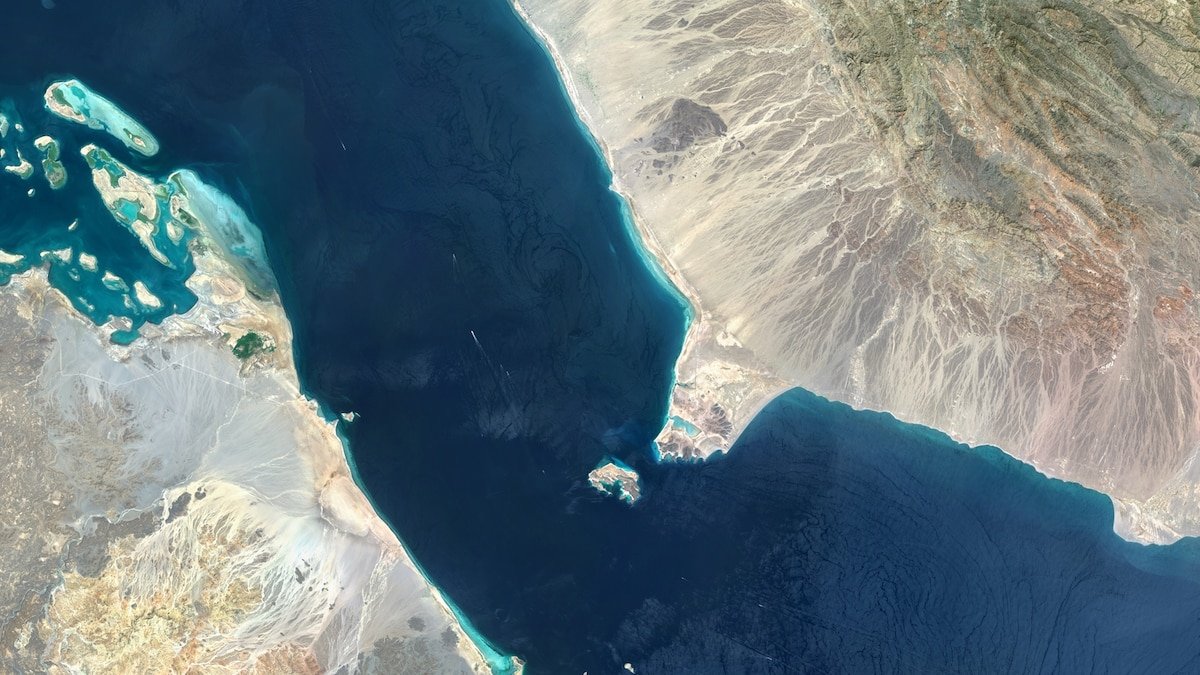
The Bab el-Mandeb Strait serves as a critical chokepoint for global maritime commerce, connecting the Red Sea to the Gulf of Aden and linking Europe to Asian markets. Any sustained closure or severe traffic disruption would have cascading effects across energy markets, shipping logistics, and supply chains. The market's shift toward higher closure probability carries implications for crude oil pricing, container shipping rates, and broader geopolitical risk premiums, as traders bet on intensified Houthi militant activity or escalating tensions in the region.
Market Context
The move reflects ongoing concerns about Houthi attacks on commercial vessels transiting the Red Sea, a campaign that intensified following the Israel-Gaza conflict. Previous disruptions to Bab el-Mandeb traffic have forced shipping companies to reroute vessels around the Cape of Good Hope, adding significant time and fuel costs. The 60.5% probability now priced into this market suggests traders view a dramatic traffic collapse as more likely than not within the resolution window, though the specific threshold of 10 or fewer daily arrivals represents an extreme disruption scenario rather than a complete halt.
Outlook
The market will resolve based on IMF PortWatch data through April 30, with the threshold for \"Yes\" resolution requiring documented evidence of severely depressed transit activity. Traders will likely monitor near-term shipping traffic data and any new escalations in regional tensions or military incidents. The elevated probability of 60.5% indicates that market participants are pricing in either sustained current disruption levels or a deterioration scenario, though this remains a probabilistic bet rather than a certainty. Resolution will ultimately depend on empirical shipping metrics published by the IMF.