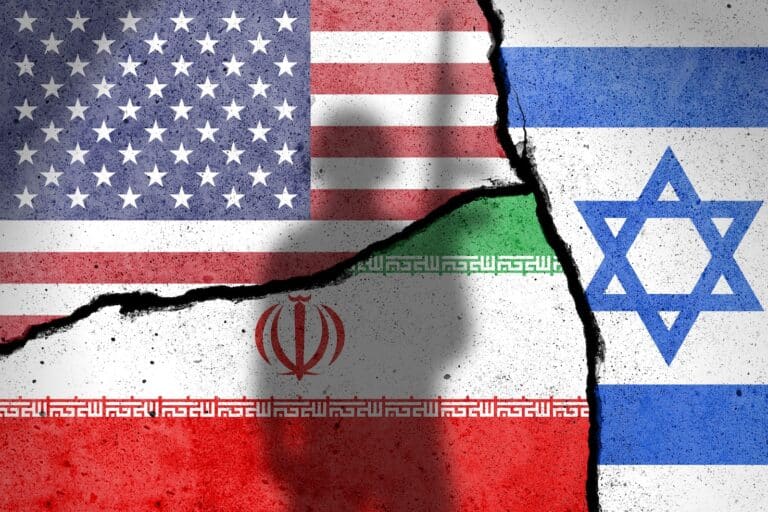
What Happened
A prediction market contract on military action against Iran experienced a significant directional move, rising from 15% to 31.5% on $58,525 in volume. The contract resolves to \"Yes\"—indicating no conflict—if neither the US nor Israel initiates drone, missile, or air strikes on Iranian territory or official Iranian diplomatic facilities by March 31, 2026. The contract's rise in probability suggests traders increasingly believe such military action will not occur during the specified timeframe.
Why It Matters
Prediction markets aggregate dispersed information and financial incentives to forecast future events. A 16.5 percentage point swing represents a material reassessment of geopolitical risk. The move from 15% to 31.5% indicates that traders holding stakes in this market believe the baseline risk of Iranian escalation or direct US-Israeli military response has diminished. This sentiment shift could reflect evolving assessments of diplomatic channels, military posture changes, or reduced immediate triggers for confrontation in the region.
Market Context
The contract's specific parameters focus on aerial and drone-based strikes, excluding ground operations, naval shelling, cyberattacks, and other military actions. This narrow definition establishes a clear, verifiable resolution criterion. The market employs a three-day consensus window for credible reporting, meaning unconfirmed strikes would default to a \"Yes\" resolution if mainstream reporting does not achieve consensus by day three. Trading volume of $58,525 represents meaningful participation, though not the highest-liquidity markets. The move to 31.5% still reflects a minority probability that military action will occur—traders retain significant concern about escalation risk through the first quarter of 2026.
Outlook
The market's direction suggests traders are currently pricing in de-escalatory momentum or reduced tension. However, at 31.5% for a \"no conflict\" outcome, the market implies approximately a 68.5% baseline probability of military action occurring at some point through March 31, 2026—or traders maintaining substantial uncertainty about the interval. Future price movements will likely respond to geopolitical developments, including diplomatic statements, military deployments, or regional incidents that alter perceptions of imminent strike likelihood.