Market Overview
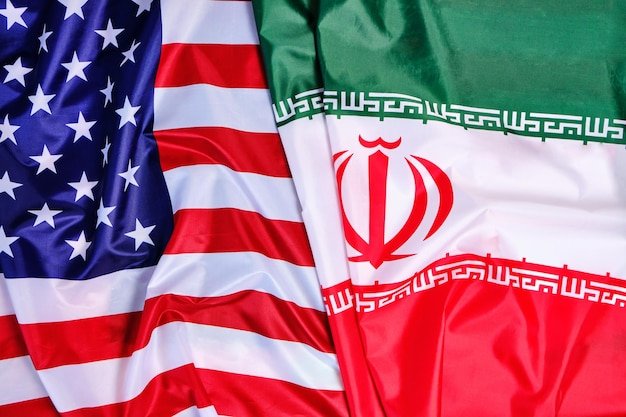
Prediction markets currently price a US-Iran permanent peace deal by the end of May 2026 at 22.5% probability, with this level holding steady over the past 24 hours despite nearly $10 million in trading volume. The consistency of this odds level indicates market participants have settled on a baseline assessment of the diplomatic landscape. At these odds, traders are essentially pricing in roughly a one-in-four chance that the world's two adversaries will move from military tension to a formal, binding agreement to permanently cease hostilities within the next 18 months.
Why It Matters
A permanent peace accord between the United States and Iran would represent one of the most consequential geopolitical developments of the current decade, fundamentally reshaping Middle Eastern stability, energy markets, and global security architecture. The current odds—while not negligible—underscore the market's skepticism that diplomatic breakthroughs can overcome decades of mutual distrust, proxy conflicts, and conflicting strategic interests. For context, the resolution criteria require either a signed written agreement or simultaneous public confirmation from both governments that a qualifying deal has been reached; interim ceasefire extensions or negotiation progress alone will not suffice. This high bar means markets are not pricing in partial measures or temporary truces, only genuine permanent resolution.
Key Factors
Several structural dynamics appear to be weighing against higher probabilities. First, no official negotiations framework currently exists at the level needed to produce a comprehensive peace agreement. While the Joint Comprehensive Plan of Action (JCPOA) nuclear deal demonstrated that both sides could negotiate, its subsequent collapse—with the United States withdrawing in 2018 and Iran resuming enrichment—illustrates how fragile such agreements can be. Second, the market's pricing suggests skepticism about near-term US political willingness to engage. Domestic opposition to Iran engagement crosses party lines in American politics, and any incoming administration faces pressure from congressional and regional allies opposed to normalization. Third, Iran faces comparable constraints: any leadership willing to sign away military options faces domestic opposition from hardline factions. The 18-month timeframe compounds these obstacles, as it excludes the possibility that a new US administration taking office in 2025 might adopt a different approach after an extended period of reassessment.
Outlook
For the probability to shift materially higher, several developments would need to align: a major change in US political leadership toward Iran engagement, concurrent moderation in Iranian regional behavior or leadership positions, and sustained high-level diplomatic engagement with clear institutional support. Conversely, any military escalation, proxy conflict intensification, or domestic political hardening in either nation could push odds lower. Market participants appear to be pricing in the possibility that talks could commence under the right circumstances, but viewing the odds of reaching a binding permanent agreement within 18 months as genuinely distant. The stability of current odds across high trading volume suggests this assessment has achieved consensus among active traders, with further movement likely requiring concrete diplomatic signals rather than continued debate.