Market Overview
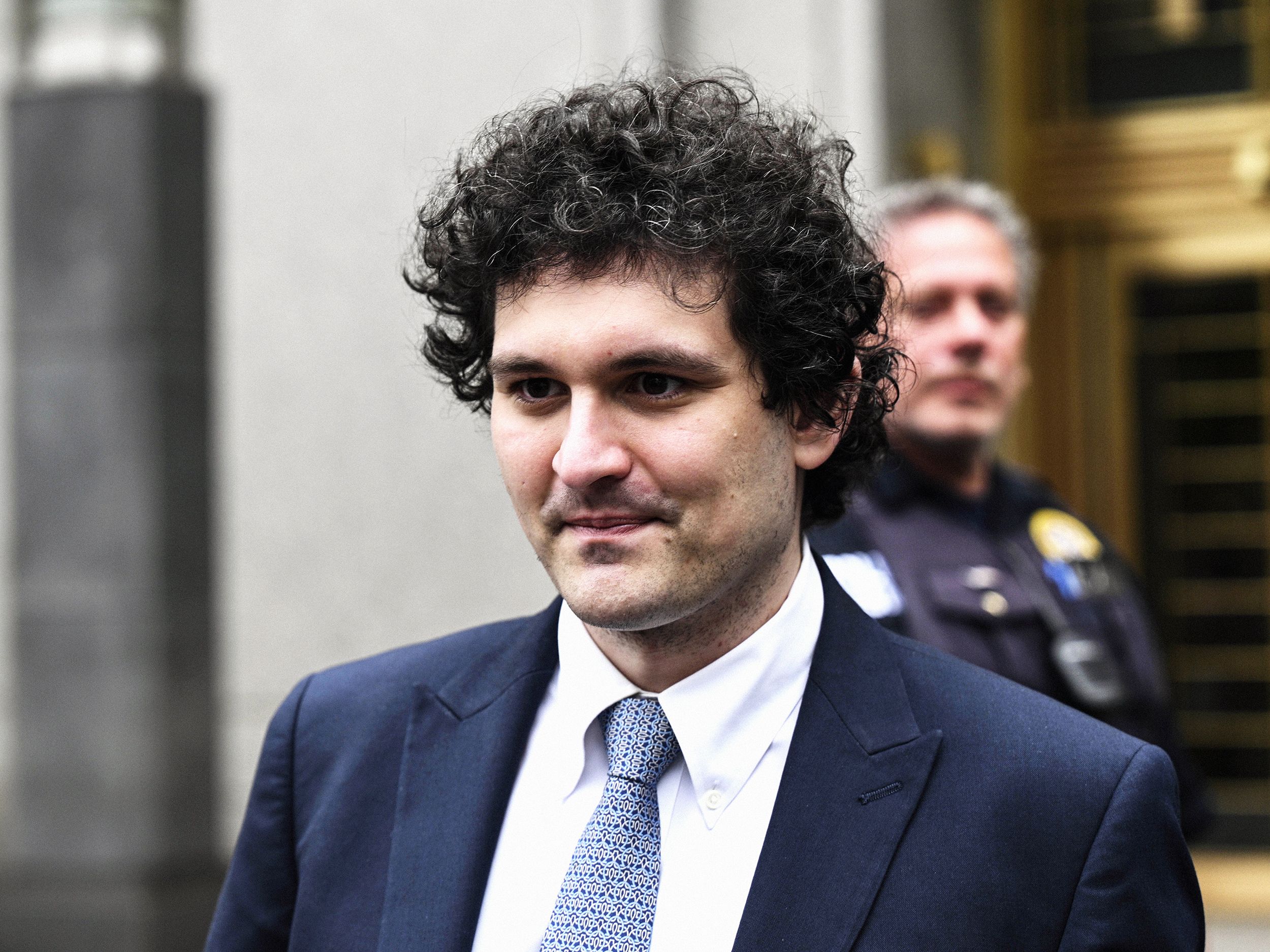
Prediction markets currently price the likelihood of Sam Bankman-Fried's release from custody by December 31, 2026 at 7.5%, with volume of $340,410 suggesting moderate trader interest in the outcome. The low probability reflects a market consensus that the former FTX founder faces a lengthy legal and custodial process extending beyond the next two years. The market defines release broadly to include house arrest, parole, or bond conditions—any scenario in which Bankman-Fried leaves state custody—but excludes temporary court appearances or transfers between facilities.
Why It Matters
The resolution of this market hinges on one of the most significant white-collar criminal cases in recent memory. Bankman-Fried's legal trajectory will influence perceptions of how the criminal justice system handles major financial fraud cases, particularly those involving cryptocurrency and venture capital. The market's assessment carries implications for related questions about sentencing length and appellate processes in complex financial crime prosecutions.
Key Factors
Several structural factors explain the market's low probability. Bankman-Fried was convicted in November 2023 on multiple counts of wire fraud and conspiracy, with sentencing occurring in late 2023. Federal sentencing guidelines for his offense category, combined with the case's severity and magnitude of losses exceeding $8 billion, historically suggest sentences in the range of 15 to 25 years or more. A 2026 release date would require either an unexpectedly lenient sentence at the lower end of guidelines, successful appeals resulting in release, or executive clemency—each scenario the market assesses as unlikely within the specified timeframe. The appeals process alone typically extends multiple years, further extending any potential release date beyond 2026.
Outlook
For the market probability to move materially higher, significant legal developments would be required, such as successful appeals on core conviction counts, substantial sentencing reductions based on cooperation, or unexpected changes in sentencing policy. Conversely, longer sentences than currently anticipated could push the probability even lower. The 7.5% probability should be interpreted as traders pricing in a small but non-zero possibility of an unusually favorable legal outcome—sufficient to acknowledge uncertainty in long-term forecasting, but reflecting the base assumption that Bankman-Fried will remain in custody well into the 2030s.