Market Overview
The prediction market for Iranian uranium concessions is trading at a modest 12.5% probability with substantial volume of over $930,000, indicating active interest in the outcome despite the low odds assigned. The probability has remained stable over the past 24 hours, suggesting the market has reached an equilibrium assessment based on current geopolitical conditions. The terms are deliberately broad—any public agreement to surrender any portion of enriched uranium to foreign entities qualifies—yet traders remain highly skeptical that such a commitment will materialize within the 18-month timeframe.
Why It Matters
Iran's enriched uranium stockpile represents one of the most sensitive flashpoints in Middle East geopolitics and international nuclear security. Any Iranian agreement to surrender this material would represent a fundamental shift in the country's nuclear posture and would likely signal a major diplomatic breakthrough with Western powers or regional adversaries. The resolution criteria are intentionally inclusive—encompassing everything from unilateral pledges to bilateral agreements to multilateral peace frameworks—which theoretically widens the pathways to a \"Yes\" resolution. Yet the low probability suggests markets believe none of these scenarios are likely to occur in the specified timeframe.
Key Factors
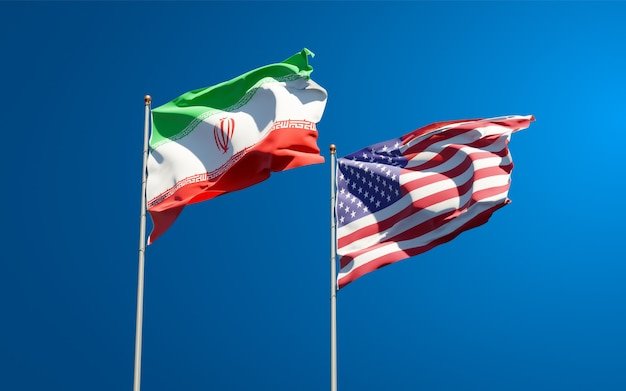
Several structural factors underpin the low probability. First, Iran's nuclear program remains a core national security priority and symbol of sovereignty, making any surrender of enriched material politically sensitive for Tehran. Second, the current geopolitical environment is characterized by heightened U.S.-Iran tensions, regional conflicts involving Iranian-backed proxies, and limited active diplomatic channels—the opposite conditions typically required for major nuclear concessions. Third, previous negotiations like the Joint Comprehensive Plan of Action (JCPOA) have demonstrated how fragile nuclear agreements can be, with the U.S. withdrawal in 2018 reinforcing Iranian skepticism about long-term commitments. Fourth, the resolution date is relatively near (June 2026), leaving little time for the diplomatic groundwork that historically precedes such major agreements. The inclusion of agreements made before the resolution date that take effect later does provide some additional scope, but traders appear to doubt even this broader pathway materializes soon.
Outlook
For the probability to shift materially upward, markets would likely need to see concrete signs of diplomatic engagement—such as high-level talks resuming, U.S. policy shifts, or emerging regional peace frameworks that include nuclear provisions. Conversely, escalations in U.S.-Iran tensions, Israeli military actions, or Iranian nuclear advances could reinforce the current low odds. The market's stability over recent days suggests traders view the probability as relatively well-calibrated given available information, with the 12.5% reflecting a small but non-negligible chance that unforeseen diplomatic developments could prompt a surprise agreement before mid-2026.