Market Overview
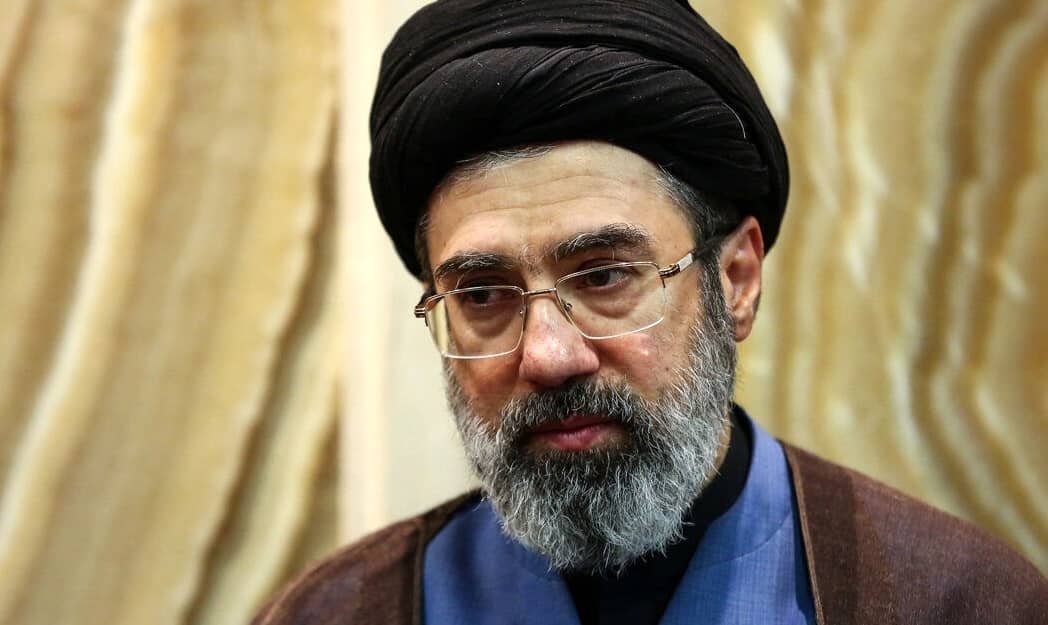
Prediction markets are currently pricing a 33.5% probability that Mojtaba Khamenei will lose his position as Iran's de facto leader before the end of 2024, according to data from the platform. With over $2 million in volume, the market has stabilized at this level over the past 24 hours, indicating a degree of consensus among traders about near-term succession risk. The threshold for resolution is broad—encompassing removal from power, detention, or any event that prevents him from exercising de facto leadership—making the market sensitive to various political scenarios rather than a single, specific trigger event.
Why It Matters
Mojtaba Khamenei's position as Iran's likely successor to the Supreme Leader represents one of the most significant potential transition points in Iranian politics. The succession question has long carried geopolitical weight, as it could signal shifts in Iran's domestic governance, regional posture, and international relations. The 33.5% probability suggests meaningful concern among market participants about political instability, health crises, or power struggles that could interrupt the succession process. Any change in Iran's top leadership structure could have implications for nuclear negotiations, regional conflicts, and broader Middle Eastern stability.
Key Factors
Several dynamics appear to be driving the current odds. Supreme Leader Ayatollah Ali Khamenei, Mojtaba's father, is 85 years old, making succession questions naturally salient. Domestic political tensions in Iran—including factional disputes, economic pressures, and periodic unrest—create underlying volatility that could trigger unexpected leadership changes. Additionally, geopolitical pressures from international sanctions and regional conflicts introduce additional sources of uncertainty. However, the lack of obvious near-term catalysts for a rapid succession, combined with the Khamenei family's consolidated control of key institutions, appears to be the primary factor keeping the probability below 50%. Market participants seem to view a change by year-end as possible but less likely than the status quo holding through 2024.
Outlook
For the probability to shift materially higher, traders would likely need to see evidence of serious health deterioration, public signs of internal power struggles, or major political upheaval within Iran's leadership structures. Conversely, any indication of stable succession planning or reinforcement of Mojtaba Khamenei's institutional position could push odds lower. The market's stability over recent hours suggests traders are currently calibrating for baseline uncertainty rather than reacting to breaking developments, meaning significant movements would likely require concrete news rather than incremental shifts in sentiment.