Market Overview
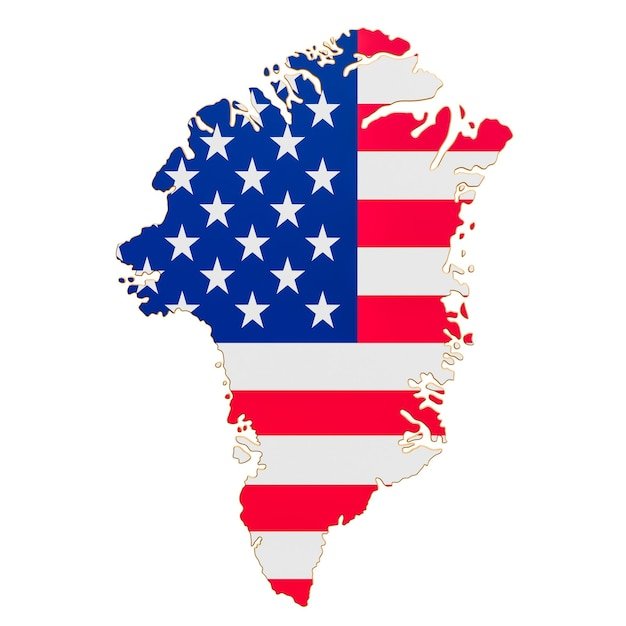
The proposition that the United States will acquire control of any Greenlandic territory by December 31, 2026, is currently trading at a 14% implied probability, with the market showing stability over the past 24 hours despite accumulating nearly $9.7 million in volume. The definition of \"acquisition\" is notably strict: the market requires either a formal transfer of sovereignty, a binding agreement establishing primary or exclusive U.S. jurisdiction where Danish and Greenlandic law does not apply, or acquisition by military force. Mere announcements, negotiations, basing rights, or lease arrangements do not qualify.
Why It Matters
The Greenland acquisition question has emerged as a prominent policy debate following recent political statements about expanding U.S. territorial interests in the Arctic. Greenland's strategic location, natural resources, and geopolitical significance in an era of Arctic competition make it a material consideration in international affairs. The market's 14% probability reflects traders' assessment that while acquisition remains a low-probability outcome, it is sufficiently plausible within the next 18 months to warrant meaningful odds. The resolution criteria—requiring binding legal instruments rather than mere proposals—establish a high bar that filters out political rhetoric from actionable commitments.
Key Factors
Several structural obstacles currently weigh against acquisition. Denmark exercises sovereignty over Greenland as part of the Kingdom of Denmark, and both Danish and Greenlandic governments would need to consent to any territorial transfer or jurisdiction arrangement. Greenland, while pursuing greater autonomy, has not expressed willingness to cede territory to the United States. International legal norms and Denmark's NATO alliance status create diplomatic friction against unilateral action. The 14% probability likely reflects a scenario weighting that accounts for: political willingness in the U.S. administration to pursue acquisition; a potential shift in Greenlandic or Danish political positioning; or—at much lower probability—extralegal acquisition through force. The stringent definition of qualifying events means that even a formal U.S. proposal or framework agreement would not move the market unless accompanied by a binding legal instrument.
Outlook
The market's stability suggests traders view the current baseline probability as appropriately calibrated to available information. Material movements would likely require either explicit binding agreements between the U.S. and Danish/Greenlandic authorities, or a significant shift in political statements that traders assess as credible indicators of future legal action. Short of such developments, the 14% price reflects a market consensus that acquisition, while unconventional, remains within the realm of plausible outcomes given stated policy interest, but faces formidable structural barriers. Developments in Arctic policy, changes in Greenlandic governance, or shifts in U.S. executive branch positions could alter this equilibrium before the end-of-2026 deadline.