Market Overview
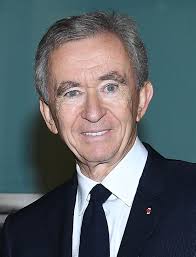
The prediction market for Bernard Arnault's position atop the global wealth rankings on December 31, 2026, is pricing the LVMH Moët Hennessy chairman at a 1.1% probability of claim the top spot. With $362,312 in 24-hour volume, traders are assessing a low but non-zero chance that the French luxury conglomerate leader will end the year as the world's richest person, according to the Bloomberg Billionaires Index. The probability has held steady over the past day, indicating settled market sentiment rather than reactive trading.
Why It Matters
The identity of the world's richest person carries symbolic weight in global business discourse, though it is ultimately determined by real-time asset valuations that fluctuate with stock markets, currency movements, and corporate developments. For Arnault specifically, the ranking depends heavily on LVMH's share price performance—the conglomerate owns approximately 97% of Christian Dior, Fendi, Celine, and dozens of other luxury brands. A 1.1% probability implies traders view this outcome as possible but highly unlikely relative to other contenders, suggesting that other billionaires hold more structural advantages in wealth accumulation or have larger asset bases less exposed to sector-specific headwinds.
Key Factors
Arnault's path to the top is constrained by several dynamics. The luxury goods sector faces cyclical pressures, including Chinese consumer spending fluctuations and shifting demand patterns, which directly impact LVMH valuations. Meanwhile, competitors like Elon Musk, Jaume Roig, and others in technology and other sectors operate in markets with different volatility profiles. Wealth rankings also shift based on currency movements—Arnault's fortune is denominated in euros, introducing foreign exchange considerations. For him to reach the #1 position by year-end 2026, LVMH would likely need to outperform expectations substantially while competitors' valuations contract or face significant asset sales or stock declines.
Outlook
Traders appear to view Arnault's chances as a tail scenario—unlikely but not impossible given the 14-month time horizon and potential for unexpected market dislocations. Any significant rebound in luxury spending, particularly in Asia, or underperformance by current wealth leaders could incrementally improve his odds. However, the stable 1.1% probability suggests the market has settled on a consensus assessment that structural factors favor other billionaires. Movements in this market will likely correlate with luxury sector performance and relative equity performance across Arnault's peers' holdings.